
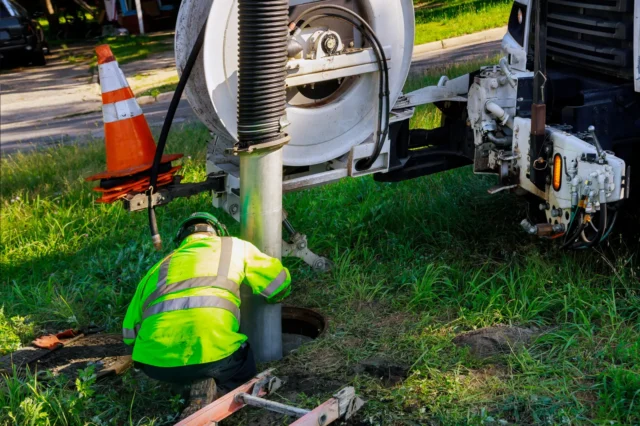
It might seem backward to start building a home when winter is settling in, but for many homeowners and builders, the weeks after the holidays are prime time to break ground. Once the decorations come down and schedules open up, planning turns into action. Septic installation, in particular, often moves faster and more smoothly during colder months than people expect.
With fewer delays, better contractor availability, and solid ground conditions in many regions, winter can be a surprisingly smart season to get started. Let’s take a closer look at why winter septic installation makes sense for new home projects.
Why do some new home construction projects start after the holidays?
The period right after the holidays offers a fresh start, both practically and logistically, for new construction projects.
Common reasons projects begin after the holidays include:
- Contractors have more availability
- Permitting offices return to full schedules
- Homeowners finalize budgets and plans
- Material demand temporarily slows
- Weather patterns become more predictable
- Project timelines align with spring completion
During the holidays, many projects pause. Once January arrives, builders and homeowners are ready to move forward. This timing allows septic installation to happen early, which is critical because it sets the foundation for the rest of the build.
Starting after the holidays also gives homeowners breathing room. Decisions made without holiday distractions tend to be clearer and more confident. That leads to smoother coordination with septic professionals, engineers, and inspectors.
From a scheduling standpoint, winter starts can mean fewer competing projects. Crews can focus more attention on your site, reducing delays. For homeowners aiming to move in by late summer or fall, starting in winter keeps the timeline realistic without rushing critical steps.
Is winter a good time for septic system installation?
Contrary to popular belief, winter can be an excellent time for septic system installation under the right conditions.
Why winter often works well:
- Ground is stable and compact
- Less saturated soil in many areas
- Easier access to installation crews
- Fewer last-minute scheduling conflicts
- Reduced risk of heavy rain delays
- Clear project timelines from the start
Frozen ground sounds intimidating, but light frost doesn’t usually stop professional excavation. In many regions, the soil is actually easier to work with than muddy spring conditions. Stable ground allows for cleaner trenches and more precise placement.
Another benefit is planning. Winter installations are typically scheduled with intention, not urgency. That means better communication and fewer rushed decisions.
Inspections also tend to move faster during slower seasons. With fewer active builds competing for attention, inspectors and engineers can review work more efficiently.
Winter isn’t ideal everywhere, but in many climates, it’s not only possible, it’s practical. The key is working with experienced professionals who understand seasonal conditions.
Do colder months affect septic installation timelines?
Cold weather does affect how septic installations are approached, but it doesn’t necessarily slow things down.
Factors that influence winter timelines include:
- Frost depth and soil conditions
- Equipment preparation and insulation
- Daylight hours for work schedules
- Permit approval timing
- Access to the site
- Proper material storage
Experienced septic crews adjust their process in winter. Equipment is winterized. Excavation is planned carefully. Materials are protected from temperature extremes. These steps keep the project moving.
In some cases, winter installations actually stay on schedule more consistently. Without frequent rain delays or muddy conditions, crews can work uninterrupted. That predictability helps homeowners plan the next phase of construction.
Shorter days may limit work hours, but that’s often offset by fewer weather-related stoppages. Clear expectations are set early, which reduces surprises.
Ultimately, timelines depend more on preparation than temperature. With proper planning, winter septic installations can progress smoothly and efficiently.
Are there advantages to starting septic installation in winter?
Starting septic installation in winter offers several advantages that homeowners don’t always consider.
Key benefits include:
- Better contractor availability
- More focused project attention
- Faster permit and inspection turnaround
- Reduced site congestion
- Earlier readiness for spring construction
- Less competition for resources
One of the biggest advantages is momentum. Completing septic work in winter sets the stage for rapid progress once warmer weather arrives. Builders can move straight into foundations and framing without waiting.
Winter also encourages thoughtful planning. With fewer projects happening at once, communication improves. Homeowners feel more involved and informed, which leads to better outcomes.
Another advantage is cost predictability. Scheduling early in the year helps avoid peak-season price fluctuations and delays.
By the time spring arrives, your project is already ahead. That head start can make the entire building experience less stressful and more enjoyable.
Start Smart This Winter with HoneyBee Septic Tank Service
At HoneyBee Septic Tank Service, we believe winter is a season of opportunity, not hesitation. We help homeowners take advantage of post-holiday momentum by installing septic systems with care, precision, and clear communication. Our team understands how seasonal conditions affect your project, and we plan accordingly so there are no surprises.
If you’re thinking about starting a new home build, we’re ready to help you get the groundwork done right. Let’s turn winter planning into spring progress, together.