
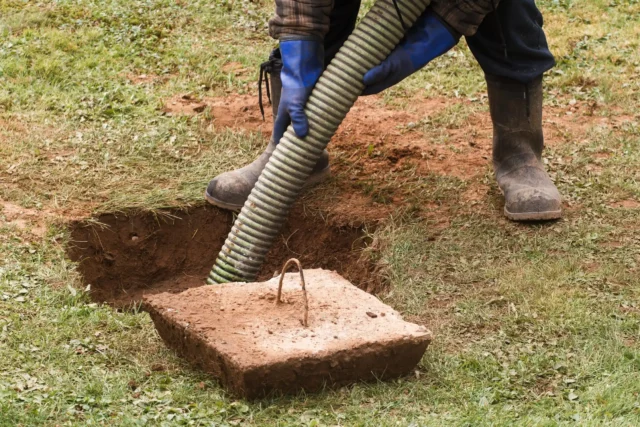
Winter has a funny way of making homeowners forget what’s happening underground.
When the yard is frozen solid and everything looks quiet, it’s easy to assume your septic system is just… fine. Out of sight, out of mind. After all, nothing is growing, nothing is muddy, and you’re probably more worried about heating bills than what’s happening beneath the frost.
Winter is the season when septic systems are most vulnerable.
Frozen ground doesn’t just make your driveway slippery. It can trap moisture, slow drainage, stress pipes, and reveal hidden problems that mild weather politely covers up.
Winter is when small septic issues turn into big emergencies.
So let’s talk about why cold weather makes septic maintenance more important than ever, what problems show up when the ground freezes, and how you can avoid the kind of winter septic disaster no one wants to deal with.
Why is Winter the Most Important Season For Septic System Maintenance?
Most people think septic maintenance is a spring or summer task. Pump it when it’s warm, deal with it when the yard is easier to dig up.
But winter is actually the most critical season for one simple reason:
Your septic system has less room for error.
In warmer months, the soil absorbs water better, bacteria break down waste efficiently, and drainage flows more smoothly.
In winter, everything slows down.
Cold temperatures create a perfect storm of conditions where septic systems can struggle without warning.
Winter maintenance matters because:
- Frozen soil reduces drainage capacity
- Pipes are more likely to freeze or crack
- Holiday guests increase household water use
- The system works harder with less environmental support
- Problems become harder and more expensive to fix in cold weather
And here’s the kicker: septic systems don’t take the winter off just because the yard is frozen.
They’re still working every day.
Every flush, every shower, every load of laundry is putting pressure on a system that may already be operating under winter stress.
That’s why proactive care in winter is less about convenience and more about prevention. Staying on top of septic system maintenance before temperatures drop can make a major difference when conditions get harsh.
What Septic Problems are More Likely to Happen When The Ground is Frozen?
Frozen ground changes everything about how a septic system behaves.
In normal conditions, wastewater flows out of the tank and into the drain field, where it disperses through soil.
When the ground freezes, that process becomes slower, restricted, or even blocked.
Here are the septic problems most likely to show up during winter:
Drain Field Backup
Frozen soil can prevent effluent from properly soaking into the ground. When drainage slows, wastewater has nowhere to go.
This can lead to:
- Standing water above the drain field
- Sewage odors outdoors
- Slow drains inside the home
If these issues start showing up, drain leach field repair may be necessary before the problem spreads further.
Frozen Pipes
Septic pipes aren’t immune to freezing, especially if:
- Snow cover is light, which means less insulation
- Pipes are shallow
- The system isn’t used consistently, like vacation homes
Frozen pipes can cause backups fast.
Tank Overload
During winter holidays, household water use often spikes:
- Extra guests
- More cooking and dishes
- More laundry
- Longer showers
If your tank is already nearing capacity, winter usage increases can push it over the edge. That’s one reason regular septic pumping matters so much before peak seasonal use.
Cracks and Structural Stress
Freezing and thawing cycles cause soil expansion and contraction, which can stress septic components underground.
That includes:
- Pipes
- Risers
- Connections
- Tank lids
Hidden Leaks Becoming Obvious
Small issues that were manageable in summer can surface in winter when the system can’t drain efficiently.
Winter doesn’t necessarily create problems, it exposes them. In many cases, homeowners do not realize how vulnerable their systems are until they begin seeing the same warning signs covered in articles like how freezing temperatures could impact your septic system and what to do about it.
How Does Cold Weather Affect Septic Tank Drainage and Performance?
Cold weather affects septic performance in ways most homeowners never think about until something goes wrong.
The septic system relies on two major factors:
- Bacterial activity in the tank
- Soil absorption in the drain field
Winter impacts both.
Slower Bacteria Breakdown
Your septic tank depends on bacteria to break down waste.
When temperatures drop, bacterial activity slows. That means solids can accumulate faster, increasing the risk of:
- Clogs
- Tank overflow
- More frequent pumping needs
Reduced Soil Absorption
Frozen soil doesn’t absorb water well. Even partially frozen ground can reduce drainage efficiency.
So wastewater leaves the tank, but then sits in the system longer than it should.
Higher Risk of Saturation
When snow melts or winter rains occur, the drain field may already be saturated.
Add frozen soil into the mix, and drainage becomes even more limited. If the yard stays wet or the system becomes overloaded, homeowners sometimes need flooded septic system services to get things back under control.
Increased System Pressure
All of this leads to one big issue: pressure buildup.
When the system can’t drain properly, pressure moves back toward the home.
That’s when homeowners experience unpleasant surprises like:
- Gurgling pipes
- Slow flushing toilets
- Water backing up into tubs or sinks
Cold weather turns your septic system into a tighter, less forgiving environment. It is very similar to the seasonal risks discussed in winterizing your septic system: how to avoid frozen or overflowing tanks.
That’s why winter care matters so much.
What Signs Show a Septic System May Be Struggling During The Winter Months?
One of the hardest things about septic trouble in winter is that homeowners often miss the early signs.
Snow covers the yard. Frozen ground hides wet spots. Odors don’t travel as easily in cold air.
So you have to pay attention to subtle warning signals inside and outside the home.
Here are the most common signs your septic system may be struggling during winter:
Slow Drains Throughout the House
If every sink, tub, and shower feels sluggish, it may be a system-wide septic issue, not just one clogged pipe.
Toilets Flushing Poorly
Toilets are often the first thing homeowners notice. Weak flushing can indicate drainage problems.
Gurgling Sounds in Plumbing
Air trapped in pipes due to septic backups can create bubbling or gurgling noises.
Sewage Odors Indoors or Outdoors
Even faint sewage smells should never be ignored, especially in winter.
Standing Water or Ice Patches in the Yard
If one area above your septic field seems oddly wet or freezes differently, that can be a red flag.
Unexpected Plumbing Backups
This is the “last straw” sign. If wastewater backs up into your home, the system is already overwhelmed. At that point, delaying help can make things worse, and fast action through emergency septic services may be the safest move.
Here’s a quick winter septic warning checklist:
- Slow drains
- Bad smells
- Gurgling pipes
- Wet spots outside
- Toilets acting unusual
- Household backups
In winter, early action matters even more, because repairs are harder once the ground is frozen solid. A professional septic inspection can often catch these issues before they turn into a much larger repair.
Winter is Quiet, But Your Septic System Isn’t
Winter is when septic systems deserve the most attention, not the least.
Frozen ground hides problems, slows drainage, and makes minor issues far more urgent.
The homeowners who avoid winter septic emergencies aren’t lucky.
They’re proactive.
A little maintenance and awareness can prevent:
- Mid-winter backups
- Frozen pipe disasters
- Costly drain field failures
- Emergency service calls in freezing weather
Your septic system works year-round. Winter is just the season that tests it the hardest. If you want to learn more about seasonal stress on underground systems, the HoneyBee Septic blog has more helpful insights for homeowners dealing with changing weather and system performance.
Stay Ahead of Winter Septic Trouble With HoneyBee Septic Tank Service
Cold weather doesn’t wait, and septic problems don’t either.
Don’t Let Frozen Ground Turn Into a Septic Emergency
At HoneyBee Septic Tank Service, we help homeowners protect their systems through every season, especially winter, when the risks are highest. Whether you need routine maintenance, pumping, inspections, or help with a winter septic issue, our team is ready to keep things flowing smoothly.
Reach out through our contact page today and let’s make sure your septic system stays healthy, reliable, and winter-proof.