
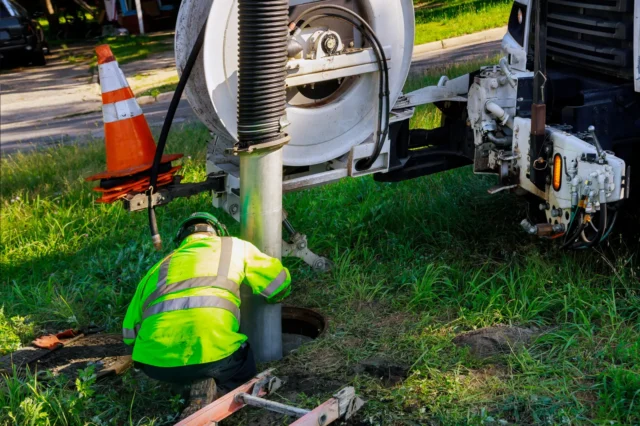
A failed septic inspection can feel random and unfair, but it almost never is. Professionals who inspect systems every day see the same problems pop up again and again.
Clogged lines, overworked drain fields, missing maintenance, and outdated components all leave clear clues. The system may seem fine on the surface, but underground issues don’t stay hidden forever.
Learning the patterns behind septic inspection failures helps you understand what went wrong and how to prevent it. With a little awareness, many of these failures are completely avoidable.
What are the Most Common Reasons Septic Inspections Fail During a Home Sale?
Home sale inspections tend to uncover issues because they’re often the first real evaluation a system has had in years.
Many homeowners maintain the visible parts of a house, but septic systems are easy to forget. They’re buried, quiet, and usually not a daily concern… until they become one.
The most common reasons inspections fail include:
- Overdue Pumping and Excess Sludge
One of the biggest inspection red flags is a tank that hasn’t been pumped on schedule.
When solids build up too high, they can flow into the drain field, causing long-term damage. Staying current with septic pumping is one of the simplest ways to reduce that risk.
Inspectors often fail systems when:
- Sludge levels exceed acceptable limits
- The tank shows signs of overflow risk
- Maintenance records are missing
- Drain Field Saturation or Failure
The drain field is the most expensive part of the system to repair, and it’s also where many failures happen.
Signs of drain field problems include:
- Standing water
- Spongy soil
- Strong sewage odors
- Slow drainage during testing
If these issues are present, homeowners may need drain leach field repair before the property can move forward smoothly.
- Improper System Installation or Outdated Design
Older homes may have septic systems that were built to different standards.
Some systems fail because they:
- Don’t meet current codes
- Were installed improperly
- Are undersized for the home’s current occupancy
In some cases, a full septic system upgrade or even septic system installation may be necessary to bring the property up to modern expectations.
- Broken or Damaged Components
During inspections, professionals check the integrity of key parts, including:
- Baffles
- Distribution boxes
- Pipes
- Tank lids
Cracks or missing components are common failure triggers, and timely septic tank repair can often prevent bigger setbacks.
- Evidence of Past Neglect
Inspectors can usually tell when a system has been pushed too hard over time, especially when homeowners have:
- Flushed wipes or grease
- Used heavy chemical drain cleaners
- Ignored recurring backups
In a home sale, buyers aren’t just buying a tank. They’re buying peace of mind. And these issues can quickly raise red flags.
What Patterns Do Septic Inspectors Look For When Evaluating a System?
Septic inspectors don’t go in blind. They follow a process, and they know what problems tend to repeat across properties.
A septic inspection is basically a professional looking for patterns of stress, neglect, or failure.
Here’s what inspectors typically evaluate:
- Tank Condition and Water Levels
They check:
- Liquid levels inside the tank
- Signs of leakage or overflow
- Structural integrity
A tank that’s too full can indicate drainage problems downstream.
- Sludge and Scum Layers
One of the most telling signs is the thickness of solid waste layers.
Inspectors look for whether the tank has been maintained properly or if it’s overdue. This is one reason regular septic system maintenance matters long before a sale is on the table.
- Drain Field Performance
Inspectors pay close attention to how the drain field handles effluent.
They look for patterns like:
- Slow absorption
- Oversaturated soil
- Uneven distribution
- Flow Testing Results
During inspections, water may be run through the system to observe how it performs under load.
Systems that back up or drain slowly often raise concerns.
- Signs of Root Intrusion or Blockages
Tree roots are a repeat offender in septic failures. Inspectors look for evidence of roots entering lines or disturbing the drain field. In some cases, septic line cleaning or sewer line repair may be needed to restore proper flow.
- Usage vs System Capacity
Inspectors also consider whether the system matches the home’s size.
A system designed for a two-bedroom home may struggle if the property is now functioning as a five-bedroom household.
Inspectors aren’t guessing. They’re looking for the same warning patterns they’ve seen hundreds of times. That’s also why articles like what happens inside your septic system during a professional septic inspection can be helpful for homeowners who want to understand the process better.
Why Do Septic Problems Usually Develop Long Before an Inspection Happens?
This is the part that surprises homeowners the most.
Septic failures are rarely sudden. They’re slow, gradual, and quietly building in the background.
A septic system is a lot like your car engine. It doesn’t explode out of nowhere. It gives signals over time, but most people don’t notice until the breakdown happens.
Septic problems develop long before inspection day because:
- The System Is Out of Sight
If something is underground, it’s easy to ignore. Homeowners often don’t think about septic systems unless there’s an obvious backup.
- Damage Happens Gradually
Drain fields don’t fail overnight. They fail after years of:
- Excess solids
- Overuse
- Poor drainage conditions
- Compaction from vehicles
- Maintenance Gets Delayed
Many people don’t pump their tank as often as they should, especially if everything “seems fine.”
But septic systems can appear fine right up until they aren’t. In fact, septic pumping is often the overlooked maintenance step that helps homeowners avoid larger repair bills.
- Small Habits Add Up
Flushing the wrong things, pouring grease down drains, or using harsh chemicals may not cause immediate problems, but over time they create system stress.
- Inspections Are Often the First Deep Look
For many homeowners, the home sale inspection is the first time anyone has evaluated the septic system in a decade.
So the inspection isn’t creating the problem. It’s revealing it.
What Warning Signs Often Appear Before a Septic System Fails an Inspection?
The good news is that septic systems usually whisper before they scream.
There are warning signs that often show up months or even years before an inspection failure.
Homeowners just need to know what to watch for.
Common warning signs include:
- Slow Drains Throughout the House
If multiple fixtures drain slowly, it could point to a septic issue rather than a simple clog.
- Frequent Toilet Backups
Recurring backups are a major red flag and often indicate tank overload or drainage problems.
- Gurgling or Bubbling Sounds
Air trapped in plumbing lines due to system pressure can cause gurgling noises.
- Sewage Odors Indoors or Outdoors
Bad smells near the tank or drain field are never normal.
- Wet or Spongy Areas in the Yard
If the drain field area feels unusually soft or damp, the system may not be absorbing properly.
- Greener Grass Over the Drain Field
Oddly lush grass can indicate excess moisture or leaking effluent.
- Lack of Maintenance Records
Even if the system is functioning, not being able to show pumping history is often a red flag during a home sale. This lines up with what many homeowners overlook in the hidden costs of skipping a septic inspection.
Here’s a quick checklist homeowners should keep in mind:
- Slow drains
- Odors
- Standing water
- Recurring plumbing issues
- No pumping history
- Overly green patches outside
If you notice these early, you can often address them long before an inspection becomes stressful. Homeowners who want more background can also explore the frequently asked questions page for practical septic guidance.
Septic Failures Follow Patterns, Not Bad Luck
The biggest misconception homeowners have is thinking septic inspection failures are random.
They’re not.
They’re predictable. They’re preventable. And professionals see the same patterns again and again.
Most inspection failures come down to:
- Deferred maintenance
- Drain field stress
- Long-term sludge buildup
- Early warning signs being ignored
A septic inspection doesn’t fail a system. It simply tells the truth about what’s been happening underground for years.
The earlier you pay attention, the easier the fix. That’s why many property owners benefit from scheduling a professional septic inspection before they list their home rather than waiting for surprises during closing.
Take the Guesswork Out of Septic Health With Honeybee Septic Tank Service
Whether you’re preparing for a home sale or just want peace of mind, a healthy septic system starts with proactive care.
Know Your System Before an Inspection Forces the Question
At Honeybee Septic Tank Service, we help homeowners stay ahead of septic problems with inspections, pumping, maintenance, and expert support before issues become emergencies.
If you want to protect your property, avoid costly surprises, and keep your system running smoothly, reach out today.
Let’s make sure your septic system passes the test long before inspection day arrives.