
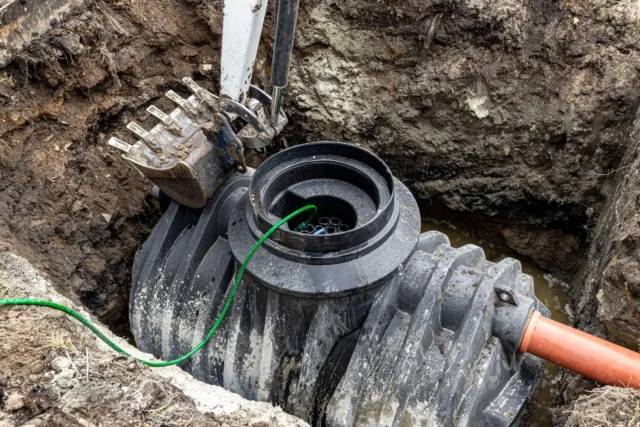
Spotting standing water near your drain field is never a good sign. It may look harmless at first, but it can point to bigger drain field issues hiding underground. In many cases, it is one of the first warning signs of septic tank problems, like clogs, oversaturation, or system failure.
The good news is that acting early can help you avoid more serious damage and expensive repairs later. In this guide, we’ll break down what standing water near your drain field really means, what causes it, and what steps you should take next, including when to call for septic tank repair in Mt. Pleasant, NC.
Why is There Water Pooling Near My Drain Field?
Water pooling near your drain field usually means the system is overloaded, blocked, or unable to absorb wastewater as it should. The drain field is designed to slowly disperse treated water into the soil. When that process is interrupted, water can rise to the surface.
Common Causes of Pooling Water
- Oversaturated soil
When the soil becomes too wet, it cannot absorb additional wastewater. This often happens after heavy rainfall or prolonged wet conditions. - Clogged drain field pipes
Over time, solids, grease, or buildup can clog the perforated pipes that distribute water through the drain field. - Compacted soil
Driving vehicles or placing heavy structures over the drain field can compress the soil, reducing its ability to absorb water. - Root intrusion
Tree or shrub roots can grow into pipes and block the flow of wastewater. Learn more about how roots impact systems in when tree roots push back: spring’s silent sewer line threat. - Excess water usage
Running multiple appliances at once or having high daily water use can overload the system and cause pooling.
Why This Matters
Pooling water is more than just a surface issue. It is one of the most visible signs of drain field issues and can indicate deeper problems in the septic system. Addressing the cause early can help prevent more serious damage.
Is Standing Water a Sign of Septic Failure?
Standing water can be a sign of septic failure, but it does not always mean the entire system has failed. Sometimes it is a temporary issue. Other times, it is an early warning sign that the system is struggling.
When It May Be a Temporary Issue
- After heavy rain or storms
- During periods of unusually high water use
- When groundwater levels are elevated
When It May Indicate Septic Failure
- Pooling water appears frequently or does not go away
- Strong sewage odors are present
- Drains in the home are slow or backing up
- Grass over the drain field is unusually lush or bright
Understanding the Difference
Temporary pooling may resolve once the ground dries out or water usage decreases. However, repeated or ongoing pooling often signals more serious septic tank problems that require professional evaluation.
Ignoring these signs can allow minor issues to turn into major failures. That is why early inspection and possible septic inspection services are so important.
Can Heavy Rain Cause Drain Field Flooding?
Yes, heavy rain can absolutely cause drain field flooding. Your drain field depends on the soil’s ability to absorb water. When the ground becomes saturated from rain, it cannot take in additional wastewater from your septic system.
How Rain Affects Your Drain Field
- Soil becomes saturated
When the soil is already full of water, it cannot absorb more, causing wastewater to back up or pool. - Slower drainage
Water moves through saturated soil much more slowly, which can create temporary pooling. - Increased groundwater levels
High groundwater can interfere with how wastewater disperses through the drain field.
When to Be Concerned
If pooling water appears only after heavy rain and disappears once conditions dry out, it may not indicate permanent damage. However, if water remains or happens frequently, it may reveal underlying Drain Field Issues that need attention.
Heavy rain can expose weaknesses in the system, even if it was previously working fine. For severe cases, flooded septic system services may be necessary.
How Do You Fix a Saturated Drain Field?
Fixing a saturated drain field depends on what caused the issue. Some problems can be addressed with simple adjustments, while others may require more involved septic tank repair services.
Immediate Steps to Reduce Saturation
- Reduce water usage
Limit laundry, long showers, and dishwasher use to prevent additional strain on the system. - Redirect surface water
Ensure gutters, downspouts, and landscaping direct rainwater away from the drain field. - Avoid compacting the soil
Do not drive or place heavy objects over the drain field.
Long-Term Solutions
- Pump the septic tank
A full tank can contribute to overload and may need septic pumping to restore proper flow. - Repair or clean clogged pipes
If distribution pipes are blocked, they may need cleaning or replacement through septic line cleaning. - Improve drainage
In some cases, additional drainage solutions or grading changes can help water move away from the area. - Install a new drain field section
Severely damaged systems may require partial or full replacement using drain leach field repair services.
Why Professional Evaluation Matters
Every situation is different. A proper diagnosis helps determine whether the issue is temporary or part of larger septic tank problems. Addressing the root cause is key to preventing repeat issues.
Should I Stop Using Water If I See Pooling?
Yes, reducing or temporarily stopping water use is a smart first step if you notice pooling near your drain field. Continuing to use water can make the problem worse.
Why Limiting Water Use Helps
- Reduces system load
Less water entering the system gives the drain field time to recover. - Prevents backups
Continued use can push wastewater back into your home. - Minimizes damage
Lowering the load may prevent further stress on already saturated soil.
What to Limit
- Laundry and dishwashing
- Long showers or baths
- Running multiple water fixtures at once
Temporary vs Ongoing Action
This is a short-term step, not a full solution. While it can help manage the situation, you should still have the system inspected if pooling continues.
How Serious is a Failing Drain Field?
A failing drain field is a serious issue because it affects the entire septic system’s ability to safely process wastewater. When the drain field fails, wastewater may not be properly filtered, which can create environmental and health risks.
Risks of a Failing Drain Field
- Wastewater exposure
Untreated or partially treated water may surface, exposing harmful bacteria. - Property damage
Pooling water can damage landscaping and create muddy or unusable areas. - System backups
Wastewater may back up into the home, leading to costly cleanup. - Environmental concerns
Contamination can affect nearby soil, groundwater, and surrounding areas.
Signs the Problem Is Getting Worse
- Persistent standing water
- Strong sewage odors
- Frequent slow drains or backups
- Wet, soggy ground even in dry weather
When these signs appear, it is important to act quickly. Delaying repairs can increase the severity of septic tank problems and make solutions more expensive.
Can a Drain Field Be Repaired or Does It Need Replacement?
In some cases, a drain field can be repaired. In others, replacement may be necessary. The right solution depends on the condition of the system and the cause of the problem.
When Repair May Be Possible
- Minor clogs or buildup
- Temporary saturation
- Isolated pipe damage
When Replacement May Be Needed
- Severe soil failure
- Extensive clogging or damage
- Long-term neglect
Making the Right Decision
A professional inspection helps determine whether repair or replacement is the better option. The goal is to restore reliable function while preventing future drain field issues.
If you are dealing with persistent pooling or suspect serious septic tank problems, getting expert advice on septic system maintenance is the best next step.
Get Expert Help Before Small Issues Become Big Problems
Standing water near your drain field is a clear warning sign that something is not working as it should. Whether it is caused by heavy rain, overuse, or deeper system failure, it is important to take it seriously. Ignoring the issue can lead to bigger drain field issues, more severe septic tank problems, and costly repairs down the road.
The key takeaway is simple: act early. Reducing water use, observing patterns, and getting a professional inspection can make a major difference. Some situations can be corrected with minor adjustments, while others may require more advanced septic solutions. The sooner you address the problem, the more options you will have.
Let HoneyBee Septic Tank Service in Mt. Pleasant, NC Help Protect Your System
At HoneyBee Septic Tank Service, we understand how stressful septic concerns can be. Our team is here to help you identify the cause of standing water, recommend the right solution, and restore your system’s performance.
If you are dealing with pooling water or suspect drain field issues, contact our team today for trusted guidance and dependable service.