
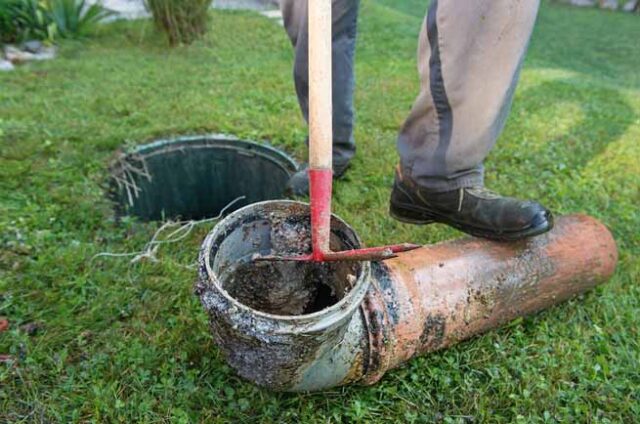
Septic inspection services should typically be scheduled every 1 to 3 years depending on system use, size, and age. Understanding how often septic inspection is needed helps prevent costly failures and ensures your system operates efficiently.
Routine inspections are not optional if you want long-term performance. Knowing the right septic inspection frequency Mt. Pleasant, NC allows you to protect your property and avoid unexpected repairs.
How Often Should A Septic System Be Inspected By A Professional?
For most homes, a septic system should be inspected by a professional on a regular schedule rather than only when something goes wrong. Preventive care matters because septic systems are buried, out of sight, and easy to forget until there is a serious problem.
Why Routine Inspection Matters
A septic system handles wastewater every single day. Even when everything seems normal inside the home, the tank and drain field may be dealing with buildup, wear, or performance issues that are not obvious yet. That is why professional septic inspection services are so valuable. They help identify developing problems before they lead to backups, odors, or drain field trouble.
Inspections Help You Avoid Surprise Failures
Many homeowners assume that if sinks and toilets are draining, the system must be fine. That is not always true. A septic tank can be filling beyond a healthy level, baffles can be damaged, or sludge and scum layers can be building up in ways that reduce performance long before the home shows dramatic symptoms.
A Professional Sees What a Homeowner Cannot
Because most of the septic system is underground, many of the most important warning signs are not visible without a proper check. A professional inspection helps you understand the actual condition of the system, not just whether it seems to be working today.
Think of Inspection as Protection
If you are wondering about how often septic inspection should happen, it helps to think of it as part of protecting your home. A septic system is one of the most important systems on the property, and routine inspection is one of the easiest ways to keep it working properly.
Is Septic Inspection Required Every Year Or Every 3 Years?
This is one of the most common questions homeowners ask, and the answer is that it depends on the system and the household. Some homes benefit from yearly attention, while others may be on a different schedule depending on use and condition.
Why Some Homes Need More Frequent Checks
Homes with heavy usage, older systems, or a history of septic issues may need more frequent septic inspection services. If the tank fills faster, the household uses a lot of water, or the system has shown signs of stress before, annual inspections may be a wise choice.
Why Some Homes Follow a Longer Schedule
Not every household puts the same strain on a septic system. A smaller household with moderate water use and a healthy, well-maintained system may not need the same level of frequency as a larger family home. Still, that does not mean inspections should be pushed off indefinitely.
The Better Question Is What Your System Needs
Instead of thinking in terms of a strict one-size-fits-all rule, it is more helpful to think in terms of your home’s actual usage and condition. The right septic inspection frequency Mt. Pleasant, NC depends on several moving parts, including how much wastewater your home generates and how old the system is.
Regular Guidance Is Better Than Guessing
A professional can help you determine whether yearly inspections make the most sense or whether your system can follow a less frequent schedule. The key is not assuming you can skip inspections just because the system has not failed yet. Knowing how often septic inspection should happen for your specific property is much safer than guessing.
What Factors Affect How Often You Need A Septic Inspection?
Several factors influence how often your septic system should be checked. Two homes on the same street may have completely different inspection needs depending on how the systems are used.
Household Size
One of the biggest factors is how many people live in the home. More people usually means more water use, more flushing, more laundry, and more strain on the septic system. A busy household typically benefits from more consistent septic inspection services because the tank is working harder.
Water Usage Habits
Even in a smaller home, heavy water use can increase system stress. Long showers, frequent laundry loads, and high daily water demand can all affect how quickly waste and solids build up in the system.
Garbage Disposal Use
Homes that use garbage disposals regularly may send more solids into the septic tank. That can increase buildup and affect how often the tank should be checked.
Type and Age of the System
Not all septic systems are the same. Some are newer and more efficient, while others may have older components, worn parts, or reduced performance. This directly affects septic inspection frequency in Mt. Pleasant, NC because older or more sensitive systems often need closer monitoring.
Maintenance History
A system that has been pumped and inspected consistently is easier to manage than one that has been ignored for years. If the maintenance history is unknown or inconsistent, inspections become even more important.
Past Warning Signs
If your system has had slow drains, bad odors, wet spots in the yard, or previous repairs, that is a strong reason to stay on top of inspections. Small issues often return or worsen if the underlying cause is not monitored.
Seasonal and Property Conditions
Drainage, rainfall patterns, soil conditions, and property layout can also affect how well a septic system performs. Some systems operate under more challenging conditions than others, which can change how often septic inspection should be scheduled.
Do Older Septic Systems Need More Frequent Inspections?
Yes, in many cases older septic systems do need more frequent inspections. Age does not automatically mean failure, but it usually means more attention is needed.
Older Systems May Have More Wear
Like any major home system, septic systems age over time. Baffles, pipes, tank components, and the drain field may all show wear as the years go by. Even if the system still works, older equipment is generally more vulnerable to problems than a newer, well-documented system.
Performance Can Change Gradually
One reason older systems need close attention is that problems often develop slowly. The homeowner may not notice a decline right away, but the system may already be operating less efficiently or showing early signs of trouble underground. That is where regular septic inspection services make a big difference.
Older Records May Be Incomplete
Another issue with older systems is that homeowners do not always have full records. They may not know when the system was last pumped, whether past repairs were made, or how the drain field has performed over time. In those cases, increasing septic inspection frequency in Mt. Pleasant, NC is usually the safer approach.
Proactive Care Matters More With Age
An aging system may still give you many years of service, but only if it is watched carefully. Waiting for obvious failure is risky. If you are asking how often septic inspection should happen for an older tank, the answer is usually more carefully and more consistently than with a newer system in excellent condition.
Can Skipping Inspections Damage Your Septic System Long-term?
Yes, skipping inspections can absolutely damage your septic system over time, or at least allow small issues to grow into serious long-term problems.
Small Problems Do Not Stay Small Forever
A septic issue rarely starts as a full-blown emergency. More often, it begins with buildup, restricted flow, failing parts, or poor drain field performance. Without regular septic inspection services, these problems may go unnoticed until the system is already under heavy stress.
Backups and Drain Field Damage Are Costly
When a septic system is neglected too long, the result may be more than an inconvenient clog. Wastewater backups, foul odors, yard saturation, and drain field failure are all possible. Those problems can become expensive quickly and may affect both the home and the property.
Delayed Maintenance Often Costs More
A routine inspection is usually far less expensive and disruptive than major septic repair or replacement. That is why homeowners should treat how often septic inspection happens as a preventive question, not just a reaction to symptoms.
Long-Term Neglect Can Shorten System Life
A septic system that is consistently monitored and maintained often lasts longer than one that is ignored until it fails. Skipping inspections may not cause instant damage, but it can absolutely shorten the useful life of the system by allowing wear and stress to build up unchecked.
Prevention Protects the Whole Property
A septic problem does not stay neatly contained to the tank. It can affect plumbing, the yard, the drain field, and in some cases the home environment itself. Keeping up with the right septic inspection frequency Mt. Pleasant, NC is one of the best ways to protect your property from those long-term problems.
What Does A Routine Septic Inspection Include?
A routine septic inspection is designed to check the condition and performance of the system so problems can be caught early. While the exact process can vary, the purpose is always the same: evaluate how the system is functioning and whether maintenance or repairs may be needed.
Visual Review of the System Area
A technician may begin by looking at the area around the tank and drain field for warning signs like soggy ground, unusual odors, or visible signs of poor drainage. These exterior clues can reveal a lot about overall system condition.
Tank Condition Check
The tank itself is an important part of the inspection. The technician may check for signs of wear, damage, or other issues that affect how the tank handles wastewater. This is one of the main reasons homeowners rely on professional septic inspection services rather than trying to judge the system on surface signs alone.
Levels of Waste and Buildup
A septic inspection may also involve evaluating what is happening inside the tank, including whether solids are building up to an unhealthy level. This helps determine whether septic pumping may be needed and whether the system is functioning as expected.
Component Review
Routine inspections often include checking important components like baffles, lids, and accessible parts of the system. These parts play a big role in keeping wastewater moving correctly and protecting the drain field from unnecessary solids.
Drain Field Performance Signs
Because the drain field is such a critical part of the system, an inspection may also include signs that show whether wastewater is being processed and dispersed properly. If something is not working as it should, early detection is far better than waiting for failure.
Recommendations for Next Steps
One of the most valuable parts of routine septic inspection services is the guidance that comes afterward. A professional can tell you whether the system looks healthy, whether pumping or repair may be needed, and what your ongoing septic inspection frequency should probably look like based on what they found.
Key Takeaways
Septic inspection services are essential for maintaining system performance and preventing costly repairs.
Understanding how often septic inspection is needed helps homeowners protect their investment and avoid unexpected failures. Most systems should be inspected every 1 to 3 years, with more frequent checks for older or heavily used systems.
Skipping inspections can lead to undetected problems, increased repair costs, and reduced lifespan. Following the recommended septic inspection frequency ensures your system remains efficient, safe, and reliable over time. For a deeper look at inspection risks, read more about the hidden costs of skipping a septic inspection.
Protect Your Septic System With Expert Care
Maintaining your septic system requires consistent attention and professional support. Scheduling regular septic inspection services ensures your system operates efficiently and avoids unexpected issues.
At HoneyBee Septic Tank Service, we help homeowners determine the right how often septic inspection schedule based on their specific needs. Our approach to septic inspection frequency Mt. Pleasant, NC focuses on thorough evaluations, accurate recommendations, and long-term system performance.
If you want to protect your property and extend the life of your septic system, we are here to help. Taking action now ensures reliable performance and peace of mind. You can also learn what happens inside your septic system during a professional septic inspection to better understand the value of routine care.