
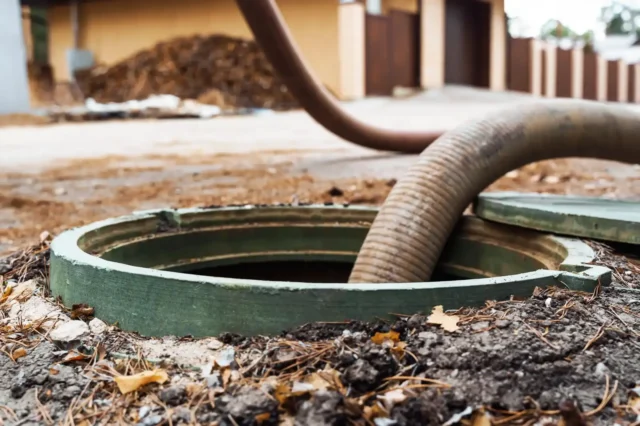
The average residential septic pumping service typically costs between $250 and $700, depending on tank size, location, accessibility, and the amount of waste that must be removed. Most homeowners find that routine pumping is far less expensive than repairing a neglected septic system or replacing a damaged drain field.
Understanding the factors that influence septic service pricing can help homeowners budget properly and avoid unexpected costs. Regular maintenance remains one of the most cost-effective ways to protect a septic system.
What Is the Average Cost to Pump a Septic Tank?
The average septic tank pumping cost for a residential home often depends on the size of the tank and how much waste needs to be removed. Smaller tanks generally cost less to pump, while larger tanks or heavily used systems may cost more.
Typical Residential Price Range
For many homeowners, septic pumping may fall within a general range of:
- Lower cost for smaller tanks with easy access
- Moderate cost for average residential tanks
- Higher cost for large tanks, difficult access, or added services
Because every property is different, exact pricing is best confirmed with a local septic company. The cost of septic pumping can vary based on your tank’s size, the distance the technician must travel, how easy the tank is to reach, and whether extra work is needed.
What Is Usually Included in Septic Pumping?
A standard septic pumping service may include:
- Locating the septic tank
- Removing the tank lid
- Pumping out sludge, scum, and wastewater
- Hauling waste for proper disposal
- Basic visual inspection
- Checking for obvious signs of trouble
Some companies may include basic inspection in the service, while others may charge separately for additional diagnostics or repairs.
Why Routine Pumping Is Worth the Cost
Waiting too long to pump your tank can lead to serious problems. When solids build up too much, they can flow into the drain field and cause clogs. Once the drain field is damaged, repairs can become much more expensive than routine pumping.
When comparing septic service pricing in Mt. Pleasant, NC, remember that regular septic pumping is usually one of the least expensive ways to maintain your septic system.
Does Tank Size Affect Septic Pumping Costs?
Yes, tank size is one of the biggest factors that affects the septic tank pumping cost. Larger tanks hold more wastewater and solids, which means they take longer to pump and may require higher disposal costs.
Common Residential Septic Tank Sizes
Many residential septic tanks fall into sizes such as:
- 750 gallons
- 1,000 gallons
- 1,250 gallons
- 1,500 gallons
- Larger custom systems
A 1,000-gallon tank is common for many homes, but tank size depends on the home’s number of bedrooms, local requirements, and system design.
Why Larger Tanks Cost More
Larger tanks may cost more because:
- More waste must be pumped
- More time may be required on-site
- Disposal volume may be higher
- Larger tanks may require more inspection time
That said, a larger tank does not always mean a much higher bill. If it is easily accessible and properly maintained, the price may still be reasonable.
Smaller Tanks May Need More Frequent Pumping
Smaller tanks can sometimes cost less per visit, but they may need service more often. If a large household uses a small septic tank, solids can build up quickly. In that case, the long-term cost of septic pumping may be higher because appointments are needed more frequently.
Household Size Also Matters
A 1,000-gallon tank serving one or two people may not fill with solids as quickly as the same tank serving a family of five. This is why tank size and household usage should be considered together when estimating septic service pricing in Mt. Pleasant, NC.
How Much Does Septic Cleaning Cost Per Gallon?
Some homeowners ask whether septic pumping is priced per gallon. In many cases, residential septic pumping is quoted as a flat service price based on tank size and service conditions rather than a simple per-gallon charge. However, volume still affects the overall cost.
Per-Gallon Pricing Is Not Always Straightforward
The cost of septic pumping may include more than the amount of waste removed. A septic company also has to account for:
- Labor
- Truck operation
- Equipment use
- Travel time
- Disposal fees
- Tank access
- Time spent locating or opening the tank
Because of this, a per-gallon rate does not always give a complete picture of the final price.
Why Volume Still Matters
Even if you are not charged strictly by the gallon, waste volume can affect cost. A larger or overfilled tank may require:
- More pumping time
- More disposal volume
- Additional labor
- Extra inspection time
A tank that has not been pumped in many years may contain thick sludge that takes longer to remove properly.
Septic Pumping vs. Septic Cleaning
Some people use “pumping” and “cleaning” interchangeably, but there can be a difference. Pumping usually refers to removing the contents of the tank. Cleaning may involve a more thorough process to remove compacted sludge or buildup.
For a deeper look at the distinction, see Septic Tank Pumping vs Cleaning: Understanding the Key Differences.
Ask What the Quote Includes
When comparing septic service pricing in Mt. Pleasant, NC, ask:
- Is the price flat or based on tank size?
- Does it include waste disposal?
- Does it include digging or lid access?
- Does it include filter cleaning?
- Are inspections included?
- Are there emergency or after-hours fees?
A clear quote helps you understand what you are paying for and prevents surprises.
Are There Extra Fees for Hard-to-Access Septic Tanks?
Yes, hard-to-access septic tanks can lead to extra fees. Accessibility plays a major role in the septic tank pumping cost because the technician must be able to reach the tank safely and efficiently.
What Makes a Septic Tank Hard to Access?
A tank may be considered hard to access if:
- The lid is buried deeply underground
- The homeowner does not know where the tank is located
- Heavy landscaping blocks the area
- Decks, patios, or sheds cover access points
- The truck cannot park close enough
- The tank lids are damaged or difficult to remove
Extra Digging Is Required
If the septic company has to spend extra time locating or uncovering the tank, the final price may increase.
Digging Fees
Some tanks have lids buried under soil. If the technician must dig to expose the lid, there may be an additional digging fee. The deeper the lid, the more labor may be required.
To avoid this, homeowners often install septic risers. A riser brings the access point closer to ground level, making future pumping easier and faster.
Distance From Truck to Tank
Pumping trucks use hoses to reach the septic tank. If the tank is far from the driveway or accessible parking area, extra hose may be needed. Some companies may charge more for long-distance hose setups.
Emergency Access Problems
If a tank is difficult to access during an emergency backup, delays can make the situation worse. Keeping your tank accessible can reduce service time and may lower the long-term cost of septic pumping.
When asking about septic service pricing in Mt. Pleasant, NC, be honest about access conditions so the company can provide a more accurate estimate.
Is Septic Pumping Covered by Homeowners Insurance?
In most cases, routine septic pumping is not covered by homeowners insurance because it is considered regular maintenance. Homeowners are generally responsible for maintaining their septic systems, just like they are responsible for maintaining HVAC systems, plumbing fixtures, or appliances.
Why Insurance Usually Does Not Cover Routine Pumping
Insurance is typically designed to cover sudden, accidental damage, not regular upkeep. Since septic pumping is preventive maintenance, the septic tank pumping cost is usually paid out of pocket by the homeowner.
When Septic-Related Damage May Be Covered
Some policies may cover certain septic-related damage if it is sudden and accidental, but coverage depends heavily on the policy. For example, damage caused by a covered event may be treated differently than damage caused by neglect.
However, if the septic system fails because it was not pumped or maintained, insurance may deny the claim.
Optional Endorsements May Help
Some homeowners may have optional service line or septic backup coverage. This may help with certain types of damage or repairs, but it usually does not replace the need for routine septic tank pumping.
Check Your Policy Carefully
If you are unsure, contact your insurance provider and ask:
- Does my policy include septic backup coverage?
- Does it cover drain field damage?
- Does it cover sewage cleanup?
- Are maintenance-related problems excluded?
- Are there coverage limits?
Even if insurance helps with certain events, it is still better to avoid problems in the first place. Regular pumping is a smart way to prevent damage that may not be covered.
When budgeting for septic service pricing in Mt. Pleasant, NC, assume routine pumping is a homeowner maintenance expense.
How Often Do You Need to Budget for Septic Pumping?
Most residential septic tanks need pumping every 3 to 5 years, but the right schedule depends on your household size, tank size, water usage, and system condition.
Standard Budgeting Timeline
A typical homeowner may want to budget for septic pumping:
- Every 3 years for larger households or smaller tanks
- Every 4 years for average use
- Every 5 years for larger tanks or lower water use
If your home has heavy water usage or frequent guests, you may need service more often.
Factors That Affect Pumping Frequency
You may need more frequent pumping if:
- Many people live in the home
- The tank is small
- You use a garbage disposal often
- You do frequent laundry
- You have long-term guests
- You flush wipes or hygiene products
- Your system has had issues before
You may be able to go closer to the longer end of the range if:
- The household is small
- Water usage is moderate
- The tank is larger
- You avoid putting grease and solids down drains
- You keep up with inspections
Why Budgeting Helps
Because septic pumping is predictable maintenance, it is easier to plan for than emergency repairs. Setting aside money each year can make the cost of septic pumping feel more manageable when service is due.
For example, if your system needs pumping every 3 years, you can divide the expected cost across 36 months. This makes the expense easier to prepare for.
Do Not Wait for Warning Signs
Some homeowners wait until drains slow down or odors appear before calling for service. That can be risky. By the time warning signs show up, the system may already be overloaded.
A better approach is to build a routine schedule based on professional recommendations. This helps you manage septic service pricing in Mt. Pleasant, NC and avoid surprise emergencies.
For more guidance, read How Often Should You Pump Your Septic Tank to Avoid Costly Repairs?.
Key Insights
The average cost of septic pumping depends on tank size, accessibility, waste volume, and local service factors. Most homeowners should budget for pumping every three to five years. Understanding septic tank pumping cost in Mt. Pleasant, NC and following regular maintenance schedules can help prevent expensive repairs and extend system life.
Invest in Preventive Septic Care Before Problems Develop
At HoneyBee Septic Tank Service, we help homeowners understand their septic needs without confusion. Whether you are scheduling routine pumping or trying to estimate septic service pricing in Mt. Pleasant, NC, our team is here to provide honest guidance and dependable service.
If you are unsure when your tank was last pumped or want a clearer idea of your septic tank pumping cost, contact HoneyBee Septic Tank Service today. We’ll help you plan ahead, protect your system, and avoid costly septic surprises.