
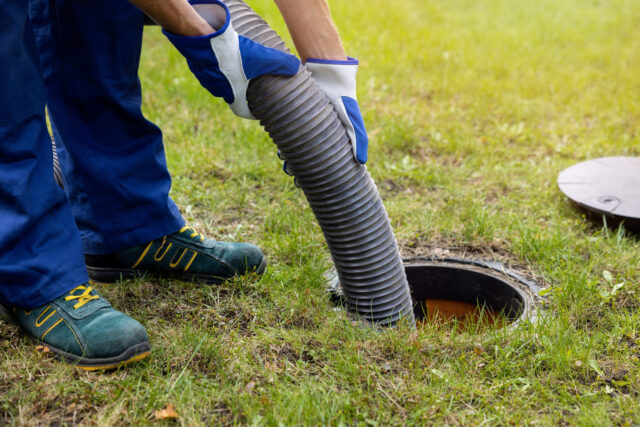
Professional septic cleaning is typically completed in 30 minutes to 2 hours for most residential systems. When scheduled as part of routine professional septic cleaning, the process is usually efficient and straightforward.
The exact duration depends on tank size, access conditions, sludge buildup, weather, and whether any issues are discovered during service. In some cases, technicians may also perform related tasks such as septic system maintenance checks to ensure long-term system health.
A well-prepared property helps speed up the visit and reduce disruptions. Understanding timing helps homeowners plan water usage, driveway access, pets, and daily routines more effectively.
How long does septic tank pumping usually take?
Most standard septic tank pumping appointments take between 30 minutes and 2 hours once the technician can access the system. A simple visit as part of routine septic pumping service is usually on the shorter end of that range.
The appointment may take longer if:
- The lid is buried or difficult to locate
- The tank contains heavy sludge buildup
- The technician must first locate the system
What happens during the appointment?
A technician typically begins by locating and opening the tank access point. They may inspect the system, check waste levels, and prepare vacuum equipment.
The tank is then pumped to remove liquid waste, solids, and sludge. In some cases, additional inspection is performed as part of a broader septic inspection to identify potential concerns.
Final steps include closing the lid securely and confirming the system is functioning properly.
Why some appointments are faster
Efficiency improves when:
- The tank lid is clearly accessible
- The truck can park close to the system
- No excavation is required
Obstacles such as long hose runs or buried lids can increase total service time.
Does tank size affect cleaning time?
Yes, tank size directly impacts how long septic cleaning takes. Larger systems require more time to fully pump and inspect.
However, tank size is only one factor. The amount of accumulated sludge and how well the system has been maintained plays an equally important role. Regular septic system maintenance often results in faster service times.
Why tank capacity matters
Septic tanks rely on proper separation of solids and liquids. When overloaded, waste becomes compacted and more difficult to remove, extending service duration.
Multi-compartment tanks
Some systems include multiple compartments that must each be checked. This ensures proper cleaning and helps maintain overall system performance.
Can septic cleaning be done in one visit?
Yes, most residential septic cleaning jobs are completed in a single visit. When scheduling septic cleaning services, technicians are typically able to inspect, pump, and complete cleanup in one trip.
When one visit is usually enough
A single visit is sufficient when:
- The tank is easily accessible
- No structural damage exists
- Sludge levels are manageable
- The system is functioning normally
When follow-up may be needed
Additional visits may be required if:
- The system has damage
- Excavation is required
- Repairs or additional diagnostics are needed
Routine service reduces the likelihood of unexpected complications.
What should you do before a septic service appointment?
Proper preparation helps reduce delays and ensures efficient service.
Locate the septic tank
If possible, identify the tank location in advance. If unsure, technicians may refer to records or perform a septic inspection to locate it.
Clear the work area
Make sure:
- Vehicles are moved away
- Pets are secured indoors
- Equipment or furniture is removed from access points
Reduce water use
Avoid heavy water usage before service. This allows technicians to assess normal operating conditions more accurately.
Share system concerns
Let the technician know about:
- Slow drains
- Odors
- Gurgling sounds
- Wet spots
These details help determine whether additional inspection is needed.
How long before you can use water after pumping?
In most cases, water use can resume shortly after service is complete. The system begins refilling immediately once wastewater enters again.
It is best to return to normal usage patterns rather than overloading the system right away. If ongoing issues persist, additional evaluation or septic system maintenance may be recommended.
Does weather impact septic cleaning time?
Yes, weather conditions can significantly affect service duration.
Rain and wet soil
Heavy rain can make access more difficult and may slow equipment setup.
Cold or frozen conditions
Frozen ground can make lids harder to access and extend preparation time.
Severe weather delays
Storms, flooding, or unsafe conditions may require rescheduling for safety reasons.
Key Takeaways
Most septic cleaning appointments take 30 minutes to 2 hours depending on access, system size, buildup, and weather conditions. Routine septic cleaning and maintenance help ensure faster, smoother service and reduce the likelihood of complications.
Schedule Septic Cleaning with Confidence
Understanding service timing helps homeowners plan ahead and avoid unnecessary disruption. Regular maintenance and inspections keep systems operating efficiently and extend their lifespan.
If you are due for service or notice performance issues, you can easily get started through the contact page. The team can help schedule professional cleaning, inspection, or maintenance based on your system’s needs.