
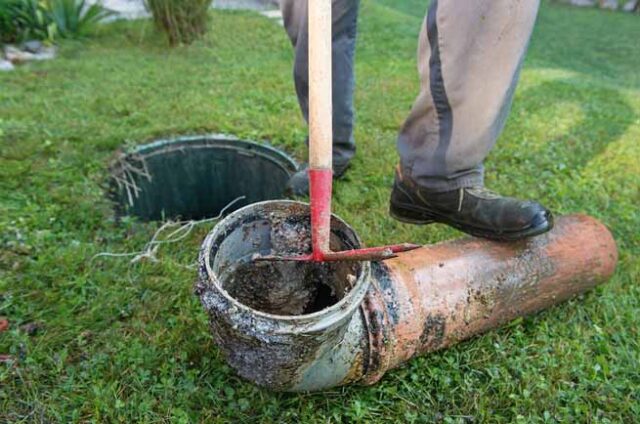
Preventive septic maintenance is one of the most effective ways to keep a septic system operating efficiently and avoid premature failure. Homeowners who follow routine maintenance schedules can significantly extend system lifespan, reduce repair costs, and improve long-term performance through services like professional septic system maintenance.
A septic system is a major component of any property that relies on onsite wastewater treatment. Like any important system, it performs best when serviced regularly with septic pumping, inspected periodically, and supported with preventive care such as septic cleaning.
How Long Does A Well-maintained Septic System Last?
The lifespan of a septic system depends heavily on how well it is maintained.
Typical septic system lifespan
Many systems can last 20 to 40 years or longer with proper care. Routine septic system maintenance plays a major role in achieving this longevity.
Maintenance helps preserve components
A septic system includes tanks, pipes, and drain fields that all require protection. Regular care such as septic inspection helps identify early wear before it becomes serious damage.
Neglect shortens system life
Without maintenance, sludge buildup and blockages can develop, eventually requiring repairs like septic tank repair or even drain field replacement.
Can Regular Pumping Prevent System Failure?
Yes, regular pumping is one of the most important ways to prevent system failure.
Why solids must be removed
Over time, sludge and scum accumulate inside the tank. Without removal through septic pumping, these solids can overflow into the drain field.
Pumping protects the drain field
Once solids reach the drain field, they can clog soil absorption areas and cause long-term damage that may require drain leach field repair.
Preventing system overload
Routine pumping ensures proper tank capacity and supports efficient wastewater separation. Combined with septic cleaning, it helps maintain system balance.
Does Maintenance Reduce Repair Costs?
Yes, preventive maintenance significantly reduces long-term repair expenses.
Small problems are easier to fix
Routine service such as septic inspection allows technicians to detect early issues before they escalate.
Emergency repairs are more expensive
When systems fail suddenly, homeowners may require emergency septic services, which are typically more costly than scheduled maintenance.
Protecting major components
Preventive care reduces strain on critical components, helping avoid expensive replacements like full tank or drain field failure.
How Does Water Usage Impact Septic Lifespan?
Water usage has a direct impact on system performance.
Excess water stresses the system
Too much water can overwhelm the tank and reduce treatment efficiency. This often increases the need for frequent septic pumping.
Hydraulic overloading
When water enters too quickly, solids may not settle properly, increasing the risk of system damage and the need for septic line cleaning.
Managing water use
Reducing unnecessary water use supports long-term system health and reduces strain on maintenance needs like septic system maintenance.
Can Inspections Catch Problems Early?
Yes, inspections are essential for early detection.
What inspections evaluate
A professional septic inspection checks sludge levels, tank condition, and drain field performance.
Hidden problems develop slowly
Many septic issues occur underground and are not visible until serious damage occurs.
Early detection supports longevity
Catching issues early can prevent major repairs such as septic tank repair or drain field failure.
What Habits Help Extend Septic System Life?
Daily habits play a major role in system longevity.
Be careful what goes down the drain
Avoid flushing non-biodegradable items that can cause blockages and increase the need for septic cleaning.
Protect the drain field
Avoid parking vehicles or placing heavy structures over the drain field to prevent damage that could require drain leach field repair.
Manage household chemicals
Excess chemicals can disrupt natural bacterial processes inside the tank.
Follow maintenance schedules
Routine septic system maintenance and pumping remain the most effective long-term strategy.
Protect Your Septic Investment For The Long Term
A septic system is a long-term investment that requires consistent care. Preventive services such as septic pumping, inspections, and cleaning help reduce failures and extend system life.
At Honeybee Septic Tank Service, we help homeowners protect their systems through reliable septic system maintenance and expert guidance. Whether you need routine service or urgent support, our team ensures your system stays efficient and dependable year-round.
For assistance or scheduling, you can always reach out through our contact page.
Final Thoughts
Preventive septic maintenance plays a critical role in extending system lifespan and reducing repair costs. Regular pumping, inspections, and responsible water use help prevent drain field failure, backups, and costly emergencies. Homeowners who invest in routine care experience more reliable performance and fewer long-term issues.