
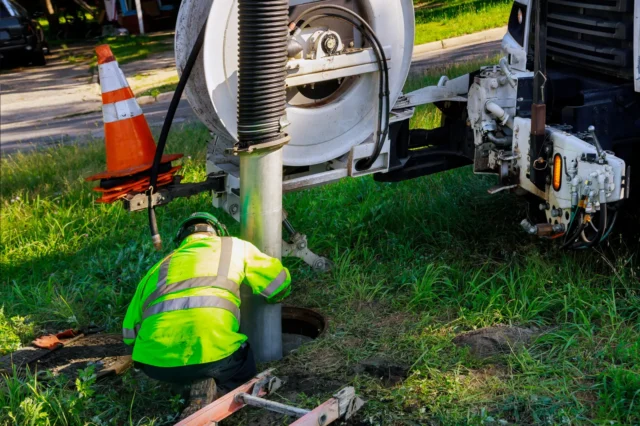
Septic tank maintenance services include inspections, pumping, filter cleaning, component checks, usage guidance, and documentation of system condition. Regular care helps control solids, protect the drain field, reduce backup risk, and identify small problems before they become expensive repairs.
A well-maintained system also handles household wastewater more reliably and supports safer property conditions. Homeowners should follow a schedule based on tank size, household use, system type, and previous service findings.
Preventative maintenance is usually less disruptive and less costly than responding to an emergency after failure occurs for many years.
What Is Included In Septic Tank Maintenance Services?
Maintenance usually includes a review of the tank, access lids, inlet and outlet areas, baffles, filters, liquid levels, and visible signs of damage. A professional septic inspection may also check for odors, slow flow, backups, groundwater entry, and surface drainage problems.
Septic pumping is often part of maintenance when sludge and scum levels have reached the recommended service point. The tank must be emptied thoroughly so solids do not move toward the drain field.
Inspection And Documentation
A professional inspection records the condition of visible components and identifies concerns that need monitoring or repair. Photographs and service notes can help homeowners track changes over time.
The technician may recommend a future pumping interval based on tank size, occupancy, water use, and actual buildup.
Filter And Component Care
Effluent filters should be cleaned when needed. Lids, risers, baffles, alarms, and pumps may also require service depending on the system design. Septic riser installation may also improve access where appropriate.
How Often Should Septic Maintenance Be Performed?
Most systems should be inspected regularly and pumped every few years, but the correct schedule varies. Household size, tank capacity, water use, waste habits, and system type all affect service frequency.
A larger family may fill a tank faster than a smaller household. Homes with garbage disposals may also produce more solids.
Systems That Need More Frequent Attention
Advanced treatment units, pump systems, and properties with heavy water use may require more frequent checks. Seasonal homes may need a different schedule because occupancy changes throughout the year.
Homeowners should not rely only on a calendar. Sludge measurements, inspection findings, and previous pumping records provide better guidance. Understanding what your septic tank pumping schedule may not reveal about long-term health can also help homeowners make better maintenance decisions.
Warning signs such as slow drains, gurgling toilets, odors, wet ground, or backups justify immediate evaluation.
Why Is Preventative Septic Maintenance Important?
Preventative maintenance helps keep solids inside the tank instead of allowing them to reach the drain field. The drain field depends on open soil space to absorb and treat wastewater.
When excessive solids leave the tank, they can clog distribution lines and soil pores. This reduces system performance and may lead to expensive drain and leach field repair or replacement.
Small Problems Are Easier To Correct
A clogged filter, damaged baffle, leaking lid, or broken riser is usually easier to address early. Ignoring these issues can increase pressure on other parts of the system.
Regular septic system maintenance also helps identify excessive household water use. Plumbing leaks and poor water habits can overload the system even when the tank is not full.
Preventative care creates a clearer maintenance history and supports better budgeting for future service.
Can Maintenance Help Avoid Septic Emergencies?
Yes. Maintenance can reduce the likelihood of backups, overflowing tanks, foul odors, and wastewater surfacing in the yard.
No service can prevent every emergency, but routine attention lowers avoidable risk.
Early Warning Signs Matter
Technicians may notice high liquid levels, clogged filters, damaged components, or slow movement through the system before a complete failure occurs.
Addressing these findings early can prevent sewage from entering toilets, showers, floors, or outdoor areas.
Emergency septic service often costs more because it may require urgent scheduling, cleanup, temporary restrictions, and additional repairs.
A planned visit gives homeowners time to prepare, compare options, and correct problems before normal household use is disrupted.
What Parts Of A Septic System Require Routine Servicing?
The septic tank requires regular inspection and pumping. The inlet and outlet baffles, effluent filter, access lids, risers, and visible tank walls should also be checked.
Systems with pumps, floats, alarms, or control panels need additional servicing.
Tank And Access Components
Lids and risers should remain secure, watertight, and safe. Cracked or loose covers can allow groundwater into the tank and create a serious fall hazard.
Baffles help direct flow and keep solids from reaching the outlet. Damaged baffles should be repaired promptly. More significant damage may require professional septic tank repair.
Drain Field And Distribution Area
The drain field is not pumped like the tank, but it should be observed for wet soil, odors, unusually green grass, settling, or vehicle damage.
Distribution boxes and lines may require evaluation when flow appears uneven or the field shows signs of stress.
Homeowners should keep vehicles, structures, and deep-rooted plants away from the system area.
How Much Does Septic Maintenance Cost Annually?
Annual cost depends on service frequency, tank size, access, system type, pumping needs, local disposal fees, and repair requirements.
Some years may involve only an inspection. Other years may include pumping, filter cleaning, lid replacement, or pump servicing.
Think In Long-Term Averages
Homeowners can estimate annual cost by spreading expected pumping and inspection expenses across several years. This creates a more realistic maintenance budget.
A difficult-to-access tank may cost more to service. Buried lids, landscaping, long hose runs, and multiple compartments can increase labor.
Advanced systems may also require contracts, testing, or scheduled component service.
When comparing septic tank maintenance in Mt. Pleasant, NC, ask what the quoted price includes and whether pumping, disposal, excavation, filter cleaning, and documentation are separate.
The lowest price may not include a complete service.
Homeowners should also budget for occasional repairs that are not part of routine service. Replacing a damaged lid, alarm, float, filter, or pump can raise costs during a particular year. Asking for written findings after each visit helps separate immediate repairs from items that can be monitored and planned for later without creating unnecessary financial pressure today.
Does Regular Maintenance Extend Septic System Life?
Yes. Regular maintenance can extend system life by reducing solids buildup, protecting the drain field, and identifying component problems early.
A neglected tank can allow solids to move into areas that are difficult or costly to restore. Regular maintenance, including appropriate septic cleaning, can help support system performance over time.
Maintenance Supports Better Performance
Pumping restores usable tank capacity. Filter cleaning improves flow. Water-use guidance reduces hydraulic stress.
Routine checks also help homeowners avoid damaging habits, such as flushing wipes, pouring grease into drains, or sending large amounts of water through the system at once.
Maintenance cannot reverse severe drain field failure or structural collapse. However, it can reduce preventable wear and support more reliable performance over time.
A well-documented history may also help during property sales because buyers can review service dates, findings, and repairs.
Key Takeaways
Septic maintenance includes inspection, pumping, filter cleaning, component checks, documentation, and practical guidance based on household use. Service frequency depends on tank size, occupancy, water use, system design, and previous findings.
Preventative care helps keep solids out of the drain field, identify small problems early, and reduce emergency risk. Annual cost varies, but planned maintenance is usually less expensive than major repair or replacement.
Regular care cannot prevent every failure, yet it supports safer operation, better performance, longer system life, and more predictable ownership costs over time for every homeowner.
Keep Your Septic System Working With Confidence
A consistent maintenance plan helps homeowners avoid uncertainty and respond before small problems become disruptive. Honeybee Septic Tank Service helps property owners understand tank condition, pumping needs, visible component issues, and practical maintenance schedules.
Keep records, follow service recommendations, and report warning signs early. These simple steps can protect the drain field, reduce emergency risk, and support a longer-lasting system.
Professional maintenance provides clearer information, safer waste handling, and dependable service planning for the property.