
Table of Contents
- Is A Septic Inspection Necessary Before Buying A House?
- What Do Inspectors Check In A Septic System?
- Can A Septic Inspection Reveal Hidden Problems?
- Who Pays For A Septic Inspection During A Home Purchase?
- How Much Does A Pre-purchase Septic Inspection Cost?
- What Happens If A Septic System Fails Inspection?
- Can Inspection Results Help Negotiate The Home Price?
- Key Takeaways
- Know What Is Below The Property Before Closing
A pre-purchase septic inspection checks the tank, visible components, drainage performance, and signs that the system may be damaged or failing. It can also help a buyer understand the system’s condition before accepting responsibility for future maintenance or repairs.
A thorough pre-purchase septic tank inspection may include locating system components, reviewing available records, opening access points, examining liquid levels, checking pumps or alarms when present, and evaluating the drain field.
Inspection scope varies by system and provider, so buyers should confirm exactly what will be tested before scheduling service today.
Is A Septic Inspection Necessary Before Buying A House?
A septic inspection is strongly worth considering when purchasing a home that relies on an onsite wastewater system. A general home inspection may identify warning signs, but it usually does not provide the same evaluation as a dedicated septic inspection.
A Septic System Can Represent A Significant Future Expense
The septic tank and drain field are essential systems. Problems can extend beyond routine pumping. Damaged pipes, failed pumps, deteriorated tanks, or saturated drain fields may require substantial work.
An inspection gives buyers information before closing and may identify concerns needing further investigation.
Review Records Along With Physical Conditions
Ask for available permits, system layouts, pumping records, repair documentation, and information about the system’s age.
Records help an inspector understand what was installed and where major components are located. They help buyers plan maintenance after taking ownership.
What Do Inspectors Check In A Septic System?
Scope depends on the system type and inspection level, but inspectors generally evaluate accessible components, wastewater flow, tank condition, and the drain field.
Tank And Access Components
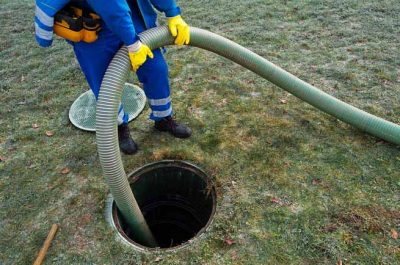
The inspector may locate and open accessible tank lids, examine liquid levels, and look for visible cracks, deterioration, leaks, or damaged components.
Baffles, tees, filters, risers, and lids may also be checked when they are accessible and part of the inspection scope.
Pumps, Alarms, And Mechanical Equipment
Some systems use pumps, control panels, alarms, or other components. These may be tested to determine whether they appear to operate correctly.
Buyers should ask whether electrical and mechanical testing is included because more complex systems can require specialized evaluation.
Drain Field Conditions
The drain field should be checked for surfacing wastewater, persistent wet areas, unusual odors, damaged vegetation patterns, or other signs that effluent is not dispersing properly.
A home septic inspection should consider the entire system rather than focusing only on whether the tank needs pumping.
Can A Septic Inspection Reveal Hidden Problems?
Yes. A septic inspection can reveal problems that may not be obvious during a normal property walk-through. However, no inspection can guarantee that every underground defect will be discovered.
Warning Signs May Exist Below The Surface
A home may have working toilets and drains while the septic system is developing a problem. High tank levels, damaged baffles, failing pumps, root intrusion, or poor drain field performance can sometimes exist before severe symptoms appear.
The inspector can identify conditions suggesting further investigation.
Access Limitations Matter
Some components may be buried deeply, inaccessible, undocumented, or located beneath landscaping and structures. The report should identify areas that could not be evaluated.
Additional services such as pumping, line locating, or camera inspection may be recommended when the standard inspection cannot answer an important question.
Who Pays For A Septic Inspection During A Home Purchase?
The buyer often arranges and pays for inspections performed during the due diligence period, but responsibility can vary by purchase contract, local practice, and negotiation between the parties.
Check The Purchase Agreement
Do not assume one party automatically pays. Review the contract and discuss inspection responsibilities with the appropriate real estate professionals involved in the transaction.
The seller may have recent service documentation, but buyers should determine whether it meets their needs.
Keep The Inspection Independent
Buyers generally benefit from choosing a qualified inspector whose role is to evaluate the system and report observed conditions.
If the seller provides an existing inspection, review its date, scope, inspector credentials, and limitations carefully. Older reports may not reflect current system performance.
How Much Does A Pre-purchase Septic Inspection Cost?
A detailed septic inspection commonly costs several hundred dollars, although prices vary by location, system size, accessibility, inspection method, and additional services. National 2026 cost guides place many comprehensive septic inspections roughly between $200 and $900, with detailed home-purchase inspections often falling within that broader range.
Tank Access Can Change The Price
If lids are buried, the contractor may need extra time and equipment to locate and expose them. Difficult terrain or deeply buried components can also increase labor.
Ask whether locating, excavation, and replacing disturbed soil are included.
Pumping And Camera Work May Be Separate
Some inspections require or recommend pumping to view certain tank conditions. Camera inspections of lines may also be an additional service.
Before scheduling a septic tank inspection in Mt. Pleasant, NC, request a written explanation of what the quoted price includes. This makes it easier to compare providers accurately.
What Happens If A Septic System Fails Inspection?
A poor inspection result does not automatically mean the home purchase must end. It means the buyer needs clearer information about the problem, repair options, cost, and timing before deciding how to proceed.
Determine The Actual Problem
An inspection may identify a relatively limited issue such as a damaged lid, filter problem, broken baffle, or failed pump. Other findings may involve the drain field, tank structure, or system capacity.
The next step may require additional evaluation by a qualified septic professional or the appropriate local authority.
Get Repair Information Before Closing
Ask for written repair estimates. Buyers should understand whether the issue requires routine maintenance, component repair, major rehabilitation, or full replacement.
Some work may require permits or additional site evaluation. Avoid relying on a verbal estimate when the potential expense could affect the purchase decision.
Can Inspection Results Help Negotiate The Home Price?
Yes. Inspection findings can provide factual information that buyers and sellers may use during negotiations, subject to the purchase contract and applicable real estate rules.
Use Documented Findings
A written report is more useful than a general statement that the system “looks bad.” It should identify observed conditions, limitations, and recommended follow-up.
Repair estimates can add context when a significant defect is identified.
Common Negotiation Options
Depending on the transaction, buyers may request that the seller complete an agreed repair, provide a credit, adjust the purchase price, or address specific conditions before closing.
The seller may accept, reject, or negotiate those requests.
Consider Long-Term Ownership Costs
Even when a system passes inspection, buyers should consider its age, maintenance history, design, and likely future service needs.
Inspection results are not only negotiating tools. They can also help buyers budget for pumping, maintenance, component replacement, and eventual system upgrades after they become homeowners.
Key Takeaways
A septic inspection can give homebuyers information about the tank, drain field, accessible components, system operation, and signs of possible failure.
Buyers should confirm the inspection scope, review permits and maintenance records, and understand which components could not be evaluated. Costs vary based on system complexity, accessibility, pumping, and additional testing. If problems are found, obtain qualified repair guidance and written estimates before making decisions.
A detailed report can support negotiations while also helping buyers understand future maintenance responsibilities and ownership costs before closing on the property with greater confidence.
Know What Is Below The Property Before Closing
Honeybee Septic Tank Service can help buyers better understand the septic system serving a property before they finalize a purchase. Knowing the condition of the tank and related components can make it easier to plan maintenance and identify concerns that deserve attention.
Our team can provide septic service guidance based on the system and visible conditions present at the property. If you are buying a home with a septic system, arranging an appropriate evaluation before closing can help you make a more informed decision and prepare for responsible system ownership.