
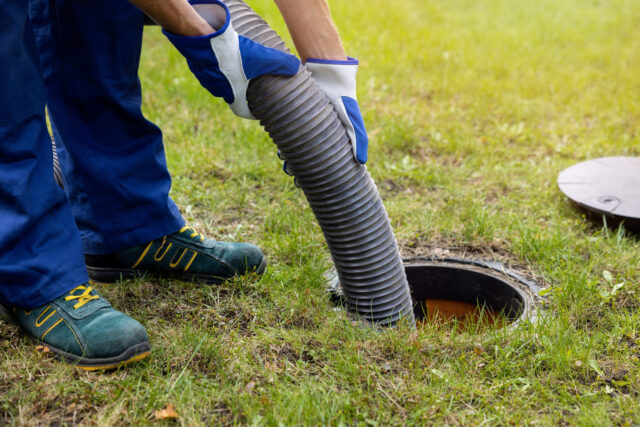
A septic inspection before selling a home is often recommended and may be required depending on local regulations, lender requirements, or buyer requests. A professional septic inspection helps identify system problems early, reduces transaction delays, and provides buyers with confidence about the property’s wastewater system.
Septic issues discovered late in the selling process can affect negotiations, financing approval, and closing timelines. Understanding inspection requirements and potential repair obligations helps sellers prepare for a smoother real estate transaction.
Is a Septic Inspection Required Before Selling a Home?
Septic inspection requirements vary by state, county, and local health department regulations.
Local Regulations May Require Inspections
Some municipalities require septic evaluations before transferring property ownership.
This type of septic inspection real estate requirement may include:
- Tank inspections
- Drain field evaluations
- Pumping records
- System functionality testing
Sellers should verify local requirements early in the selling process.
Buyers Commonly Request Inspections
Even when inspections are not legally required, buyers often request them during the home inspection period.
Buyers want assurance that the septic system functions properly and will not require major repairs after purchase.
Inspections Help Prevent Delays
A pre-sale inspection allows sellers to identify and address problems before negotiations begin.
This may reduce unexpected repair disputes during escrow.
Older Homes Receive More Scrutiny
Properties with aging septic systems may receive closer evaluation from buyers, lenders, and inspectors.
Older systems often carry higher risk for hidden failures or outdated components.
Scheduling a pre-sale septic inspection in Mt. Pleasant, NC can help sellers prepare documentation and reduce uncertainty during the transaction process.
Who Pays for the Septic Inspection When Selling a House?
Responsibility for septic inspection costs depends on local practices and contract negotiations.
Sellers Often Pay for Pre-Sale Inspections
Many homeowners choose to schedule inspections before listing the property.
This allows sellers to:
- Identify problems early
- Improve buyer confidence
- Support smoother negotiations
- Reduce unexpected delays
Proactive inspections may strengthen the property’s marketability.
Buyers Sometimes Cover Inspection Costs
In some transactions, buyers pay for septic inspections as part of their due diligence process.
This often occurs alongside general home inspections.
Negotiations Determine Final Responsibility
Inspection costs may become part of broader contract negotiations between buyers and sellers.
Responsibility can vary depending on:
- Market conditions
- Property condition
- Inspection findings
- Repair agreements
Repair Costs Are Separate From Inspection Fees
Even if buyers pay for inspections, repair negotiations may still involve seller contributions depending on contract terms and local disclosure laws.
Clear communication between all parties helps avoid misunderstandings.
Can You Sell a House With a Failing Septic System?
Yes, homes with failing septic systems can still be sold, but the situation may complicate the transaction.
Disclosure Requirements Matter
Sellers are generally required to disclose known septic problems to potential buyers.
Failing to disclose known issues may create legal liability after the sale.
Buyers May Request Repairs
Many buyers negotiate repair requirements or price reductions after inspection results reveal septic failures.
This often depends on the severity of the issue.
Cash Buyers May Accept As-Is Sales
Some buyers may purchase homes with failing systems in as-is condition, especially investors or buyers planning major renovations.
However, financing approval may become more difficult.
Septic Failures Can Affect Property Value
Major septic repairs or replacement costs may reduce the home’s perceived value during negotiations.
System condition often influences buyer confidence significantly.
Replacement Costs Can Be Significant
Repair expenses vary depending on:
- Tank condition
- Drain field damage
- Soil conditions
- System size
- Local permit requirements
Early inspections help sellers prepare financially and strategically before listing.
A septic inspection before selling a home allows sellers to evaluate options before buyers discover system issues independently. If problems are found, services such as septic tank repair or drain leach field repair may be necessary before closing.
What Happens if a Septic System Fails Inspection During a Sale?
A failed septic inspection does not automatically end the sale, but it often changes negotiations.
Buyers May Request Repairs
Buyers frequently ask sellers to repair or replace failing components before closing.
Common repair issues include:
- Cracked tanks
- Drain field failure
- Blocked lines
- Overflow problems
- Missing system documentation
Repair requests may become part of the contract negotiation process.
Price Adjustments May Be Negotiated
Instead of repairs, some sellers offer purchase price reductions or repair credits.
This allows buyers to complete repairs after closing.
Financing Delays May Occur
Certain lenders may require septic issues to be resolved before loan approval.
This is especially common for government-backed mortgage programs.
Additional Inspections May Be Required
A failed inspection sometimes leads to secondary evaluations by licensed septic specialists or local health departments.
Further testing may determine the extent of repairs needed.
Closing Timelines May Change
Septic repairs, permits, and re-inspections can delay property closing dates.
Planning ahead with a pre-sale septic inspection in Mt. Pleasant, NC may help reduce these disruptions before listing the property.
How Long Is a Septic Inspection Report Valid?
Inspection validity periods depend on lender policies, local regulations, and buyer requirements.
Reports Typically Remain Valid for Limited Periods
Many septic inspection reports remain valid for several months, although requirements vary by jurisdiction and transaction type.
Lenders and buyers may request updated inspections if significant time passes after the original evaluation.
Local Health Departments May Set Expiration Standards
Some counties establish specific validity periods for septic certifications or transfer inspections.
Sellers should verify local requirements before relying on older reports.
Changes in System Condition Matter
Even recent inspections may become outdated if:
- Heavy rainfall affects drain fields
- The system experiences backup issues
- Damage occurs after inspection
- Property usage changes significantly
System condition can change unexpectedly over time.
Buyers May Still Request Independent Evaluations
Some buyers prefer independent inspections regardless of previous reports.
This provides additional reassurance before finalizing the purchase.
Maintaining documentation from inspections, septic pumping, and repairs helps support transparency during the sale process.
Do Lenders Require Septic Inspections for Home Loans?
Many lenders require septic evaluations before approving mortgage financing.
Government-Backed Loans Often Require Inspections
Programs such as FHA, VA, and USDA loans may require septic inspections to verify safe and functional wastewater systems.
Lenders want assurance that the property meets health and safety standards.
Conventional Loan Requirements Vary
Conventional mortgage requirements differ between lenders.
Some may require inspections only when concerns arise during property evaluations.
Lenders Focus on Property Condition
Septic failures can affect property habitability and future resale value.
Because of this, lenders may require:
- Functional system verification
- Repair completion
- Local compliance documentation
- Health department certifications
Rural Properties Receive More Attention
Homes located outside municipal sewer systems often receive closer septic evaluation during underwriting.
This is especially common for rural and older properties.
Septic Documentation Helps Transactions Move Faster
Maintaining inspection records and service history can help satisfy lender requests more efficiently.
A clear septic inspection real estate requirement process often supports smoother loan approval and faster closings.
Additional Reasons Sellers Benefit From Early Septic Inspections
Pre-listing inspections provide advantages beyond regulatory compliance.
Improves Buyer Confidence
Buyers often feel more comfortable making offers when sellers provide recent inspection documentation.
Transparency supports trust during negotiations.
Reduces Last-Minute Surprises
Unexpected septic failures discovered late in escrow can create stress and financial uncertainty.
Early inspections provide more time to address issues calmly.
Supports Accurate Property Pricing
Understanding system condition allows sellers to price the property more realistically.
This may improve negotiation efficiency and reduce closing complications.
Helps Avoid Legal Disputes
Documented inspections and disclosures may reduce future disputes related to undisclosed septic problems after closing.
Professional evaluations support stronger transaction records. Homeowners can also learn more about common inspection concerns in The Hidden Costs of Skipping a Septic Inspection: What Homeowners Overlook.
Key Takeaways
A septic inspection before selling a home helps identify system problems early, supports buyer confidence, and may satisfy lender or local regulatory requirements.
Failed inspections can affect negotiations, financing, and closing timelines, but proactive inspections allow sellers to prepare for repairs or disclosures.
Understanding the septic inspection real estate requirement process helps create smoother property transactions.
Prepare Your Property With HoneyBee Septic Tank Service
At HoneyBee Septic Tank Service, we help homeowners protect property value and prepare confidently for real estate transactions. Our team provides professional septic evaluations, system inspections, and honest guidance designed to support smooth home sales and reduce unexpected surprises during closing.
If you need a reliable pre-sale septic inspection in Mt. Pleasant, NC, we are committed to delivering thorough inspections, clear reporting, and dependable service that helps buyers and sellers move forward with greater confidence.