
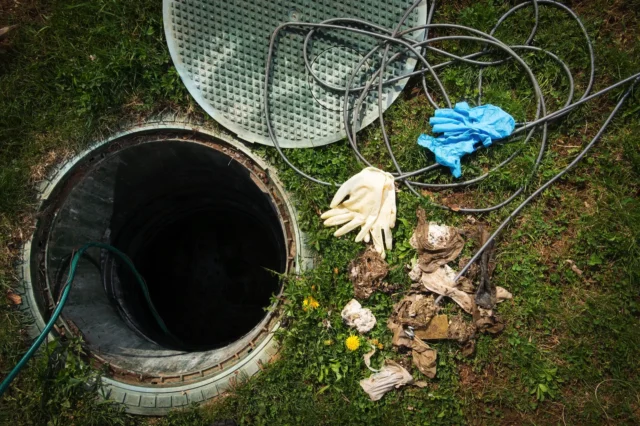
Septic additives are not usually necessary for a properly functioning system, but some products may offer limited benefits in specific situations. The most important factors in long-term system health remain regular pumping, responsible water use, and routine inspections such as professional septic system maintenance.
Many homeowners explore additives hoping to eliminate pumping or improve performance, but reliable care still depends on proven services like septic cleaning and scheduled maintenance rather than chemical or biological shortcuts.
Understanding the septic additives pros and cons helps homeowners avoid products that may provide little value or potentially disrupt system balance.
Are septic additives necessary for tank health?
For most residential systems, septic additives are not essential.
Natural bacteria already exist
A healthy septic tank already contains naturally occurring bacteria that break down organic waste. Every time wastewater enters the system, new bacteria are introduced through normal household use.
Why some homeowners use additives
Additives are often marketed for:
- Odor reduction
- Sludge breakdown
- Improved drainage
- Reduced pumping frequency
However, these claims do not replace essential services like septic pumping.
The foundation of septic health
Long-term system performance depends on:
- Regular pumping
- Responsible water usage
- Routine inspections
- Proper waste disposal
A scheduled septic inspection is far more important than relying on additives.
Do bacteria additives replace pumping?
No. Bacteria additives cannot replace the need for septic tank pumping.
What bacteria additives do
These products introduce enzymes or bacteria that may assist in breaking down organic material.
What they cannot do
Even with additives, solid waste still accumulates inside the tank over time, including:
- Sludge buildup
- Non-biodegradable materials
- Sediment and debris
These materials must be physically removed through septic pumping.
Why pumping remains necessary
Regular pumping prevents:
- System overload
- Drain field damage
- Backups
- Costly repairs
Consistent septic system maintenance ensures these issues are avoided.
Can additives damage your septic system?
Some additives may cause problems depending on their ingredients and usage.
Chemical additives
Harsh chemical products can:
- Disrupt natural bacteria
- Push solids into the drain field
- Reduce system efficiency
Excessive use risks
Even mild products may create imbalance if overused, interfering with normal biological processes.
Importance of system care
Improper use can increase the need for corrective services such as septic line cleaning or even repairs if the system becomes stressed.
What does the EPA say about septic additives?
The EPA generally emphasizes maintenance over additives.
Focus on routine care
Recommended practices include:
- Regular pumping
- Water conservation
- Proper waste disposal
These align with professional services like septic cleaning.
Limited evidence for additive claims
Many additive products do not have strong scientific backing to support performance claims.
Maintenance is still required
Regardless of additives, systems still require scheduled pumping and inspection to function properly.
Are natural septic treatments effective?
Natural treatments may offer some limited support, but results vary.
What natural treatments contain
- Bacteria
- Enzymes
- Organic compounds
Potential benefits
They may help restore bacterial balance after disruptions, such as:
- Chemical exposure
- Antibiotic use in wastewater
- System disturbances
Limitations
Natural additives cannot remove accumulated solids or replace pumping services like septic cleaning.
Their effectiveness depends on:
- Tank condition
- Usage habits
- Existing bacterial levels
Should you use additives with regular maintenance?
Additives may be used as a supplement, but never as a replacement.
Additives as a support tool
Some homeowners use them alongside routine care, but they should be considered optional.
Maintenance remains essential
A proper care plan still includes:
- Pumping
- Inspections
- System monitoring
- Water management
Professional guidance matters
Before using additives, it is best to consult a professional familiar with your system through services like septic system maintenance.
Key Takeaways
Septic additives may offer minor benefits in limited cases, but they do not replace pumping, inspections, or professional maintenance. The most reliable approach to system health is consistent care through services like septic pumping, septic cleaning, and routine septic system maintenance.
Protect Your Septic System with Proven Maintenance
Effective septic care is based on proven maintenance practices, not additives or shortcuts. Regular service helps prevent system failure, backups, and unnecessary repair costs.
If you are unsure about your system’s condition or need professional support, schedule a septic inspection or maintenance service today. The right care plan ensures long-term performance and peace of mind.