
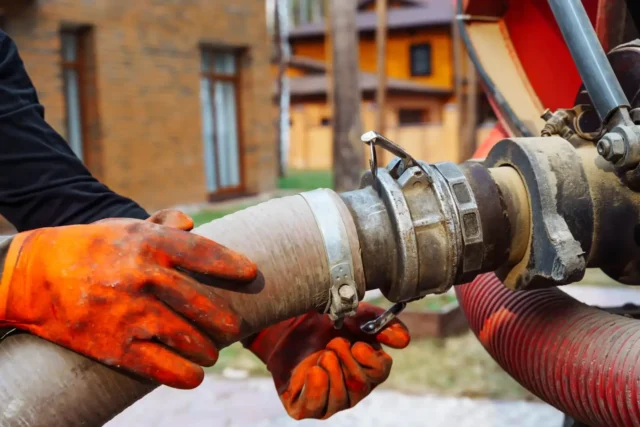
If you own a septic system or are planning to install one, you’ve likely come across two main types: gravity systems and the pressure septic system. The short answer is this, gravity systems rely on natural flow and are simpler, while a pressure septic system uses pumps to distribute wastewater more evenly.
Both systems are effective, but they differ significantly in maintenance, cost, and long-term reliability. Understanding these differences can help you avoid unexpected repairs and choose the right system for your property.
Let’s break it down in a clear, practical way so you know exactly what to expect from each system.
What is the Difference Between Gravity and Pressure Septic Systems?
The main difference comes down to how wastewater moves through the system.
Gravity Septic Systems
Gravity systems rely on natural flow:
- Wastewater moves from your home to the tank
- Then flows into the drain field using gravity
- No pumps or mechanical components required
Pressure Septic Systems
A pressure septic system uses a pump to move wastewater:
- Effluent is stored in a secondary tank
- A pump distributes it evenly into the drain field
- Pipes release wastewater under pressure
Why This Difference Matters
Gravity systems are:
- Simpler
- Easier to maintain
- Less dependent on mechanical parts
A pressure septic system is:
- More controlled
- Better for uneven or challenging terrain
- More efficient at distributing wastewater
Which Septic System Requires More Maintenance?
Maintenance needs are one of the biggest differences between the two systems.
Gravity System Maintenance
Gravity systems require:
- Regular pumping every 3–5 years
- Basic inspections
- Minimal mechanical upkeep
Because they have fewer components, there’s less that can go wrong.
Pressure Septic System Maintenance
A pressure septic system requires more attention:
- Pump inspections
- Electrical component checks
- Filter cleaning
- Alarm system monitoring
For homeowners comparing upkeep expectations, septic system maintenance plays a major role in keeping either setup working properly.
Why Pressure Systems Need More Care
The added mechanical parts mean:
- More potential points of failure
- More frequent servicing
While both systems need regular care, a pressure septic system typically requires more ongoing maintenance.
Are Pressure Septic Systems More Expensive To Service?
Yes, in most cases, servicing a pressure septic system is more expensive than maintaining a gravity system.
Cost Factors for Pressure Systems
Higher costs come from:
- Pump maintenance or replacement
- Electrical system repairs
- More frequent service visits
Cost Comparison
- Gravity systems: Lower routine maintenance costs
- Pressure Septic System: Higher due to complexity
Long-Term Service Costs
Over time, a pressure septic system may cost more because:
- Pumps wear out and need replacement
- Components require regular inspection
However, these costs can be offset by better performance in certain conditions.
How Do You Know If You Have a Gravity or Pressure System?
Many homeowners aren’t sure which type of septic system they have.
Signs You Have a Gravity System
- No electrical components near the tank
- No control panel or alarm system
- Wastewater flows naturally downhill
Signs You Have a Pressure Septic System
- Presence of a control panel or alarm box
- Electrical wiring connected to the system
- Audible pump operation
Why It’s Important to Know
Knowing your system type helps you:
- Schedule proper maintenance
- Understand repair needs
- Avoid costly mistakes
If you’re unsure, a professional inspection can quickly identify whether you have a gravity system or a pressure septic system. It also helps to review resources like what happens inside your septic system during a professional septic inspection so you know what technicians are looking for.
Do Pressure Systems Fail More Often Than Gravity Systems?
Not necessarily, but they do have more components that can fail.
Gravity System Reliability
Gravity systems are known for:
- Simplicity
- Fewer moving parts
- Lower risk of mechanical failure
Pressure Septic System Risks
A pressure septic system includes:
- Pumps
- Electrical controls
- Distribution systems
These components can:
- Wear out over time
- Require repair or replacement
Failure vs Complexity
It’s not that a pressure septic system fails more often, it’s that:
- There are more parts involved
- Maintenance is more critical
With proper care, both systems can perform reliably.
What are the Common Repair Issues For Each Septic System Type?
Each system has its own set of common problems.
Gravity System Issues
- Clogged pipes
- Drain field saturation
- Tank overflow
These issues are usually straightforward to diagnose and repair.
Pressure Septic System Issues
A pressure septic system may experience:
- Pump failure
- Electrical malfunctions
- Blocked distribution lines
- Alarm system failures
Repair Complexity
Repairs for gravity systems are often simpler, while a pressure septic system may require:
- Specialized knowledge
- Electrical troubleshooting
- Replacement of mechanical parts
Which System is Better For Long-Term Reliability?
Both systems can be reliable, but the best choice depends on your property and priorities.
Gravity System Advantages
- Simpler design
- Lower maintenance
- Fewer mechanical failures
Pressure Septic System Advantages
- Better for uneven or sloped land
- More even wastewater distribution
- Improved efficiency in certain conditions
Choosing the Right System
A Pressure Septic System is often the better choice if:
- Your property has poor soil conditions
- The land is not ideal for gravity flow
Gravity systems are ideal if:
- Your land supports natural drainage
- You want a low-maintenance solution
When planning for a new system, proper septic system installation is just as important as choosing between gravity and pressure designs.
Long-Term Perspective
Reliability depends on:
- Proper installation
- Regular maintenance
- System design suited to your property
If you want more context on how system choice affects performance over time, septic tank installation vs septic pumping: understanding the differences and importance of each offers another helpful comparison. For general homeowner guidance on routine care and service timing, the U.S. Environmental Protection Agency’s septic system guidance is also a reliable resource.
Final Thoughts
Understanding the differences between gravity systems and a pressure septic system in Mt. Pleasant, NC can help you make smarter decisions about your property. While gravity systems offer simplicity and lower maintenance, pressure systems provide flexibility and better performance in challenging conditions.
Each system has its place, and the right choice depends on your land, budget, and long-term goals. The key is staying informed and keeping up with proper maintenance to avoid costly issues down the line.
Choose the Right Septic System with Confidence
Managing a septic system can feel overwhelming, especially if you’re unsure how it works or what it needs.
For homeowners in Mt. Pleasant, NC, understanding your system, whether it’s a gravity setup or a pressure septic system can go a long way in preventing problems down the road.
Regular maintenance and timely repairs help keep things running efficiently and protect your home from unexpected issues.
If you ever need clarity or assistance, having experienced professionals available can make maintaining your septic system a lot less stressful.