
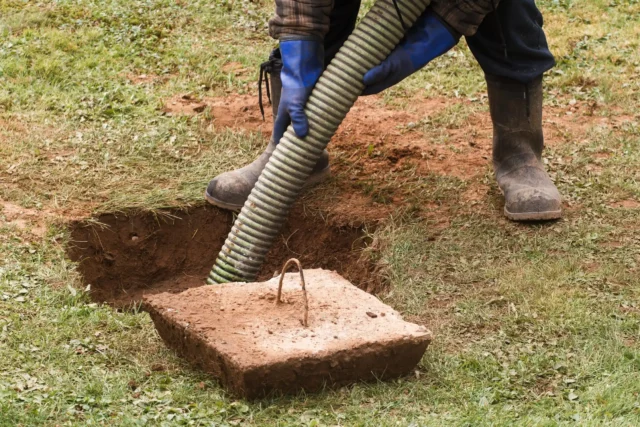
Think septic tank rules are just boring paperwork? Not quite. When it comes to repairs, installations, or inspections, local septic services do a lot more than just handle the dirty work. They also help homeowners deal with septic permits and make sure every job follows local codes.
In places like septic regulations in Mt. Pleasant, NC, that matters more than most people realize. From filing forms to scheduling inspections, local pros know how to keep the process simple and stress-free. That means fewer delays, fewer surprises, and more confidence that your septic system is handled the right way from the start.
Do Septic Repairs Require Permits in My Area?
In most cases, yes, many types of septic repairs require official septic permits.
When Permits are Required
Permits are typically needed for:
- Major system repairs
- Drain field replacement
- Tank installation or relocation
- Adding new plumbing connections
Minor Repairs vs Major Work
Not all work requires permits. For example:
- Minor maintenance may not need approval
- Routine pumping usually doesn’t require permits
However, anything that alters the system structure usually falls under septic regulations in Mt. Pleasant, NC.
Why Permits are Necessary
Permits ensure:
- Work meets local codes
- Environmental safety is maintained
- Systems are properly designed and installed
Key Takeaway
If you’re unsure, it’s best to consult septic tank repair professionals, as they understand exactly when septic permits are required in your area.
Who Handles Septic Permits, The Homeowner or Contractor?
This is one of the most common questions homeowners ask.
Contractor Responsibility
In most cases, local septic services handle:
- Permit applications
- Documentation
- Coordination with local authorities
Homeowner’s Role
While the contractor manages the process, homeowners may need to:
- Provide property details
- Sign permit applications
- Approve project plans
Why Contractors Handle Permits
Experienced septic professionals:
- Understand septic regulations in Mt. Pleasant, NC
- Know local requirements
- Ensure paperwork is completed correctly
Avoiding Mistakes
Handling permits on your own can lead to:
- Delays
- Rejections
- Compliance issues
Best Practice
Let your septic contractor manage septic permits to ensure everything is done properly.
How Long Does It Take to Get Septic System Approval?
Approval timelines can vary depending on several factors.
Typical Timeframes
- Simple permits: A few days to 1 week
- Complex projects: 2 to 4 weeks
- New installations: May take longer due to inspections and site evaluations
Factors That Affect Approval Time
- Local government workload
- Project complexity
- Soil testing requirements
- Environmental assessments
Why Soil Testing Matters
Before approval, many areas require:
- Percolation (perc) tests
- Soil evaluations
These ensure compliance with septic regulations in Mt. Pleasant, NC and align with the North Carolina On-Site Wastewater Laws and Rules.
Planning Ahead
Starting early helps avoid delays and ensures your project stays on schedule.
Are Inspections Required Before and After Septic Work?
Yes, inspections are a critical part of the process.
Pre-Installation Inspections
Before work begins, inspectors may:
- Evaluate the site
- Review system design
- Ensure compliance with septic regulations in Mt. Pleasant, NC
Post-Installation Inspections
After installation or repair, inspections confirm:
- Proper system installation
- Code compliance
- Safe operation
Why Inspections Matter
Inspections protect:
- Your property
- Public health
- The environment
Role of Local Septic Services
Professional local septic services coordinate inspections to ensure:
- All requirements are met
- Projects pass without issues
If you want a closer look at what professionals evaluate, this guide on what happens inside your septic system during a professional septic inspection offers helpful insight.
What Regulations Apply to Septic System Installation?
Septic systems must follow strict guidelines to ensure safety and functionality.
Key Regulatory Areas
System Design
Must meet specific standards for:
- Size
- Capacity
- Layout
Location Requirements
Systems must be placed:
- Away from water sources
- At safe distances from structures
Environmental Protection
Regulations ensure:
- Proper waste treatment
- Prevention of groundwater contamination
Local Variations
Septic regulations in Mt. Pleasant, NC may differ from other areas, so working with experienced professionals is essential.
Importance of Compliance
Following regulations helps:
- Avoid fines
- Prevent system failure
- Ensure long-term performance
For homeowners preparing for a new system, septic system installation experts can help make sure every step meets local requirements. It also helps to understand the septic tank installation factors to consider before starting your project before work begins.
Can a Septic Company Fail an Inspection?
Yes, and it does happen.
Reasons for Failed Inspections
- Improper installation
- Code violations
- Poor workmanship
- Incorrect system design
What Happens If It Fails?
If an inspection fails:
- Corrections must be made
- Re-inspection is required
- Project timelines may be delayed
How to Avoid Failure
Working with reputable local septic services ensures:
- Proper installation
- Compliance with septic regulations in Mt. Pleasant, NC
- Higher chances of passing inspections
Choosing an experienced contractor is one of the best ways to avoid inspection issues.
What Happens If You Install a Septic System Without Permits?
Skipping permits might seem like a shortcut, but it can lead to serious consequences.
Legal Consequences
Installing without septic permits can result in:
- Fines
- Legal action
- Mandatory system removal
Financial Risks
You may face:
- Expensive corrections
- Property value issues
- Difficulty selling your home
Safety and Environmental Risks
Unpermitted systems may:
- Contaminate water sources
- Fail prematurely
- Pose health hazards
Insurance Issues
Insurance companies may:
- Deny claims
- Refuse coverage
Bottom Line
Ignoring septic regulations in Mt. Pleasant, NC can cost far more than following them properly.
Conclusion
Handling septic work the right way means more than getting the job done fast. It means making sure permits are in place, inspections are completed, and local regulations are followed from start to finish. That extra attention can protect your home, prevent expensive issues, and help you avoid major setbacks later on.
Whether you are planning a repair or a full installation, understanding the process gives you more confidence every step of the way. When everything is done properly, you get peace of mind knowing your septic system is safe, legal, and built to last.
Let Septic Permits and Regulations Feel a Lot Less Stressful
Septic work comes with more than just repairs or installation. There are permits, inspections, and local rules that need to be handled the right way. With the right support, the process feels much easier and far less overwhelming.
At HoneyBee Septic Tank Service, we take the stress out of the process by managing permits, inspections, and compliance for you. Our experienced team ensures your project is completed efficiently and meets all local requirements.
If you’re planning local septic services work, don’t leave compliance to chance. Contact us today and let us handle the details while you enjoy peace of mind knowing everything is done right.