
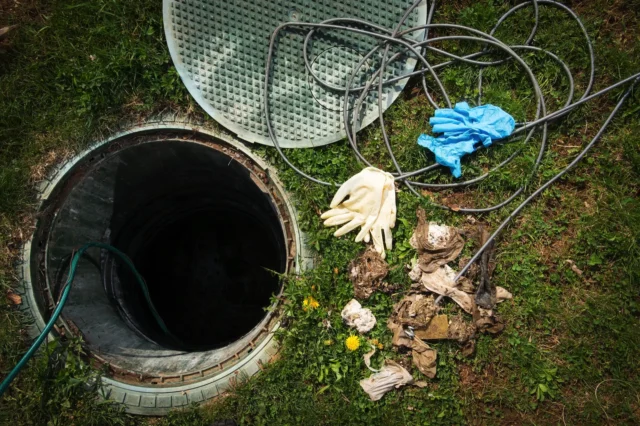
Most septic tanks should be pumped every 3 to 5 years to avoid backups, drain field damage, and expensive repairs. The right schedule depends on household size, tank capacity, water use, and how much solid waste enters the system.
Skipping service can turn a manageable maintenance task into a serious plumbing and property problem. A consistent septic pumping schedule protects your tank, drain field, home, and budget.
How Often Should a Septic Tank Be Pumped for a Family of Four?
A family of four usually needs septic tank pumping every 3 to 5 years. This range works for many homes with average water use and a properly sized tank.
Why Household Size Matters
Every person in the home adds wastewater and solids to the system.
More people means more:
- Showers
- Toilet flushes
- Laundry loads
- Dishwashing
- Food waste
That increased use fills the tank faster.
Typical Family Use
A four-person household places steady demand on a septic system. If the tank is standard-sized and the family uses water moderately, pumping every three years may be wise.
If water use is light and inspections show low sludge levels, the interval may extend closer to five years.
Inspections Improve Accuracy
The best answer to how often pump septic tank is based on actual tank condition, not guesswork.
A technician can measure sludge and scum levels to determine whether pumping is needed. Regular septic inspections help establish the ideal maintenance schedule.
What Happens If You Don’t Pump Your Septic Tank Regularly?
If you do not pump the tank, solids continue building up until they reduce capacity and interfere with normal flow.
Solids Can Enter the Drain Field
The tank is designed to separate solids from wastewater. Heavy solids settle at the bottom, while lighter materials float near the top.
When the tank becomes too full, solids can escape into the drain field.
Drain Field Damage Is Costly
A clogged drain field may stop absorbing wastewater properly.
This can cause:
- Sewage backups
- Wet spots in the yard
- Foul odors
- Slow drains
- Expensive repairs
Drain field failure is often much more costly than routine pumping. In severe cases, homeowners may need drain leach field repair to restore proper system function.
Backups Can Affect the Home
An overfull tank can push wastewater back through drains, toilets, tubs, or floor drains.
This creates sanitation risks and can damage flooring, walls, and personal belongings.
Prevention Is Less Expensive
Regular pumping removes accumulated solids before they overload the system.
A planned septic tank pumping service in Mt. Pleasant, NC can help prevent emergency repairs and system failure.
Does Tank Size Affect Pumping Frequency?
Yes. Tank size has a major effect on how often pumping is needed.
Larger Tanks Hold More Waste
A larger septic tank can store more sludge and wastewater before needing service.
This may allow longer intervals between pumpings when household use is moderate.
Smaller Tanks Fill Faster
A smaller tank reaches capacity sooner, especially in homes with multiple occupants or high water use.
These systems may need pumping more often than the standard 3-to-5-year guideline.
Tank Size Must Match Household Demand
A tank that is too small for the home may struggle even when maintained properly.
The number of bedrooms, occupants, and water-using fixtures all matter.
Bigger Is Not Maintenance-Free
Even large tanks still need regular inspections and pumping.
A larger tank can delay problems, but it does not eliminate solids buildup.
A proper septic pumping schedule should always consider tank size and household usage together.
Can Frequent Water Use Require More Pumping?
Yes. High water use can increase system strain and may require more frequent service.
More Water Moves Waste Faster
When large amounts of water enter the tank quickly, wastewater may move through the system before solids settle properly.
This increases the chance of solids entering the drain field.
Common High-Use Habits
Frequent water use may include:
- Multiple laundry loads in one day
- Long showers
- Running toilets
- Leaky faucets
- Large soaking tubs
- Heavy dishwasher use
These habits can place extra demand on the system.
Water Conservation Helps
Reducing unnecessary water use protects the septic system.
Helpful steps include repairing leaks, spacing out laundry, using water-efficient fixtures, and avoiding excessive disposal use.
Pumping May Be Needed Sooner
Homes with high water usage should not rely only on a generic schedule.
If you are asking how often pump septic tank for a busy household, inspections may show that service is needed more often.
Is Every 3 to 5 Years Enough for Septic Tank Maintenance?
For many homes, yes. Every 3 to 5 years is a common maintenance range, but it is not right for every property.
When the Range Works
This schedule often works when:
- The tank is properly sized
- Water use is moderate
- The household size is stable
- The system is not overloaded
- Inspections show normal buildup
When Pumping Is Needed More Often
More frequent service may be necessary if the home has a garbage disposal, large household, small tank, heavy laundry use, or recurring slow drains.
Maintenance Includes More Than Pumping
Good septic care also includes inspections, water conservation, drain field protection, and careful disposal habits.
Avoid flushing wipes, grease, chemicals, feminine hygiene products, and other materials that can harm the system.
For a deeper understanding of maintenance requirements, see When Do You Need a Septic Tank System Service?.
A Schedule Should Be Personalized
A reliable septic pumping schedule should be based on tank measurements and system history.
Professional records help track how quickly sludge accumulates.
How Do You Know If You Need Pumping Sooner Than Scheduled?
Several warning signs may indicate your septic tank needs attention before the planned service date.
Slow Drains Throughout the Home
One slow drain may be a local clog. Multiple slow drains may suggest septic backup or tank overload.
Gurgling Plumbing Sounds
Gurgling toilets, sinks, or tubs can signal restricted wastewater flow.
This should not be ignored.
Sewage Odors
Bad odors near drains, toilets, the tank area, or the yard may indicate system stress.
Wet or Unusually Green Grass
A soggy drain field or unusually lush grass over the septic area can indicate wastewater surfacing.
Sewage Backup
Any sewage backup is urgent.
Stop using water where possible and call for service immediately.
Emergency situations may require professional emergency septic services to prevent further damage.
Do Not Wait for Emergencies
Warning signs often appear after the system is already stressed.
Scheduling a septic tank pumping service in Mt. Pleasant, NC before backups occur can help protect the entire system.
Key Insights
Most septic tanks need pumping every 3 to 5 years, but household size, tank capacity, water use, and system condition can change that timing. A proper septic pumping schedule prevents solids from damaging the drain field. Regular inspections provide the most accurate answer to how often pump septic tank.
Protect Your Septic System Before Problems Start
Septic problems are easier to prevent than repair. At HoneyBee Septic Tank Service, we help homeowners protect their systems with dependable pumping, inspections, and practical maintenance guidance.
If you need septic tank pumping service in Mt. Pleasant, NC or want help creating the right septic pumping schedule, we are ready to help. Clear answers and timely service can prevent costly backups, drain field problems, and avoidable stress. We take pride in helping homeowners understand how often pump septic tank based on real usage, tank size, and system condition.