
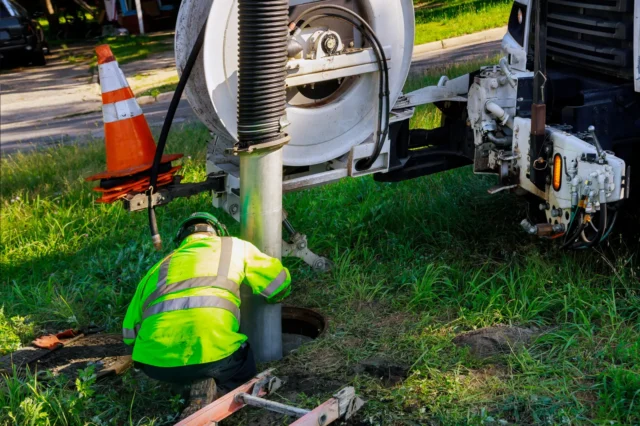
Urban expansion is a natural part of a growing population and increasing economic activity. As cities expand, the demand for housing, businesses, and infrastructure rises, creating a complex challenge for city planners, developers, and environmentalists.
One of the most pressing issues in this rapid development is how to balance growth with environmental sustainability. In particular, septic systems—often used in rural and suburban areas—present unique challenges and opportunities as urban environments expand into once-rural regions.
How Does Urban Expansion Impact The Functionality Of Septic Systems?
As cities grow, they often extend into suburban or even rural areas where septic systems are more common. While septic systems serve as a practical solution for waste management in these areas, their functionality can be compromised by the challenges posed by urban expansion.
Increased Population Density: In rural areas, septic systems are designed to handle the waste produced by fewer people spread over larger plots of land. However, as urbanization leads to higher population densities, the capacity of septic systems can become overstretched.
When more people are relying on a single septic system or a series of systems in close proximity, the system’s ability to effectively process and treat waste diminishes. This can result in overflows, backups, or inefficiencies that compromise the system’s function.
Smaller Lot Sizes: Urban expansion often leads to the subdivision of larger plots of land into smaller, more densely packed lots. This makes it more difficult to install and maintain septic systems, which require adequate space for the tank, drain fields, and necessary components.
Smaller lot sizes may limit the ability to design and implement a septic system that functions efficiently, as there may not be enough room for the necessary filtration area, which could lead to issues with waste disposal.
Increased Waste Volume: As urban development brings more homes, businesses, and other facilities, the amount of wastewater generated increases substantially.
Septic systems in more densely populated areas may struggle to keep up with the higher volume of waste being processed, leading to higher risks of system failure and contamination of surrounding environments. The larger volumes of waste may also place a strain on septic tank maintenance, making it difficult to keep up with regular inspections and pumping.
Urban Infrastructure Interference: When urban expansion is underway, local infrastructure—such as roadways, utilities, and commercial developments—can interfere with septic systems.
For example, construction can disrupt the placement of septic tanks or drain fields, or lead to the contamination of nearby water sources through improper waste management. It’s crucial to carefully design and implement septic systems to accommodate and integrate them within growing urban infrastructure.
What are the Environmental Concerns Related to Septic Systems in Growing Urban Areas?
Septic systems, when functioning properly, are an environmentally friendly way to manage wastewater. However, the increasing urbanization of areas that once relied heavily on septic systems has raised a number of environmental concerns.
Groundwater Contamination: One of the most significant risks associated with septic systems in urban areas is the potential for groundwater contamination. If septic tanks are not properly maintained or located too close to water sources, untreated or partially treated wastewater can seep into the surrounding soil and contaminate groundwater. This can pollute drinking water supplies and negatively impact local ecosystems.
Urban expansion increases the risk of groundwater contamination as more septic systems are concentrated in a smaller area, leading to the potential for cumulative environmental damage. According to the U.S. Environmental Protection Agency’s septic system guidelines, proper maintenance and placement are critical to preventing contamination and protecting water quality.
Nutrient Pollution: Septic systems rely on soil to filter out harmful contaminants and nutrients, such as nitrogen and phosphorus. However, high volumes of wastewater can overwhelm the natural filtering capacity of the soil, leading to nutrient runoff.
These nutrients, if they enter local water bodies such as rivers, lakes, or ponds, can cause harmful algal blooms, which deplete oxygen levels and harm aquatic life. In urban areas with densely packed septic systems, the risks of nutrient pollution are higher due to the larger volume of wastewater being processed.
Soil Degradation: When septic systems are overused or improperly maintained, they can contribute to soil degradation. In urban areas with dense development, the soil may not be able to absorb and filter the wastewater as effectively as it would in a more rural environment.
Over time, this can lead to the deterioration of local soil quality, which can reduce its ability to filter waste properly and support vegetation or agricultural activities.
Increased Flooding and Overflow Risks: Urbanization often leads to altered drainage patterns, with more impervious surfaces like roads, parking lots, and buildings that prevent natural water absorption. This can increase the volume and speed of water runoff, overwhelming septic systems and leading to overflows.
Heavy rainfall, in particular, can cause septic tanks to overflow, releasing untreated wastewater into the environment and contributing to pollution and flooding.
How Can Cities Balance Urban Development With Septic System Sustainability?
Balancing urban expansion with the need for sustainable septic systems is no easy task. However, there are several ways that cities can ensure their growing populations are served by septic systems that are both functional and environmentally friendly.
Planning and Zoning Regulations: Cities can implement stricter planning and zoning regulations to ensure that septic systems are designed and installed correctly. This includes ensuring there is adequate space for septic systems, as well as maintaining a buffer zone between septic tanks and water sources.
Proper land use planning can also help ensure that septic systems are not overcrowded and that they are located in areas where the soil composition is conducive to effective wastewater treatment.
Encouraging the Use of Alternative Wastewater Treatment Systems: As urban areas expand, the use of traditional septic systems may no longer be the most sustainable option. Instead, cities can encourage the use of alternative wastewater treatment systems, such as aerobic treatment units (ATUs), which use oxygen to enhance the treatment process and reduce the environmental impact.
Additionally, technologies like constructed wetlands and sand filtration systems can be used to treat wastewater in more environmentally friendly ways, reducing the load on traditional septic systems.
Maintaining Existing Systems: Proper maintenance of septic systems is key to ensuring their longevity and functionality. Cities can promote regular maintenance schedules for homeowners and property developers, ensuring that systems are inspected, pumped, and repaired as needed.
Homeowners can benefit from professional septic system maintenance to prevent failures and extend the life of their system. Public education campaigns can also inform residents about the importance of septic tank maintenance, helping to prevent malfunctions and environmental harm.
Integration with Municipal Systems: In areas with dense urban expansion, it may be more practical to transition away from individual septic systems in favor of municipal wastewater treatment systems.
Connecting homes and businesses to centralized treatment plants can reduce the strain on local septic systems and offer more efficient wastewater treatment. Cities can gradually phase out septic systems in high-density areas by investing in infrastructure that connects residents to public water treatment facilities.
Using Green Infrastructure: Green infrastructure—such as rain gardens, permeable pavements, and vegetated swales—can be used to help manage wastewater and stormwater runoff in urban areas. By incorporating these solutions into urban planning, cities can reduce the burden on septic systems and improve overall water management. Green infrastructure can also support natural filtration, helping to minimize pollution and protect local water resources.
What are the Challenges Of Integrating Septic Systems Into Expanding Urban Infrastructure?
Integrating septic systems into expanding urban infrastructure presents several unique challenges. While septic systems can work well in low-density areas, they can struggle to function efficiently in growing cities with increasing population densities.
- Space Constraints: As cities grow, available land for installing septic systems becomes increasingly limited. Urban areas with smaller lot sizes or congested neighborhoods may not have the space needed for septic tanks and drain fields.
- Increased Regulatory Oversight: Urban areas require stricter oversight and regulation of septic systems to prevent contamination and ensure they meet environmental standards.
- Cost of Infrastructure Upgrades: Upgrading or replacing septic systems with more sustainable alternatives can be expensive for both homeowners and municipalities.
- Public Perception and Acceptance: Transitioning to new systems or technologies may face resistance from residents accustomed to traditional septic setups.
As urban expansion continues, balancing development with environmental care is critical for maintaining the health and sustainability of our communities. Septic systems play a pivotal role in managing wastewater, but as cities grow, the challenges associated with these systems become more complex.
For a deeper understanding of how these systems evolve, explore insights on how modern septic tank systems handle today’s water usage differently and why septic tank pumping is essential for rural and expanding properties.
By embracing innovative technologies, encouraging proper maintenance, and exploring alternative solutions, cities can ensure that septic systems continue to provide a reliable, environmentally responsible method of wastewater treatment while mitigating the impact of urban growth on the environment.
The future of septic systems in urban expansion relies on collaboration between urban planners, environmental experts, and the community to build infrastructure that serves both people and the planet.
Keep Your Septic System in Top Shape with HoneyBee Septic Tank Service
At HoneyBee Septic Tank Service, we understand the importance of maintaining a fully functional septic system, especially as urban areas expand and face increasing pressure. Our team of experts is here to ensure that your septic system is running efficiently and responsibly—helping you avoid costly repairs, environmental concerns, and unnecessary disruptions to your daily life.
Here’s how our services benefit you:
- Expert Installation & Maintenance: Whether you’re installing a new system or need routine maintenance, our team provides reliable and thorough services that extend the lifespan of your system.
- Environmental Care: We help ensure your septic system works in harmony with local environmental regulations, minimizing the risk of contamination or pollution.
- Emergency Services: If something goes wrong, we’re just a phone call away. We offer fast and dependable emergency septic services to resolve issues before they escalate.
- Comprehensive Inspections: Our detailed inspections identify potential issues early, so you can take action before minor problems become major repairs.
Don’t wait for problems to arise—contact HoneyBee Septic Tank Service today to keep your system working seamlessly for years to come!