
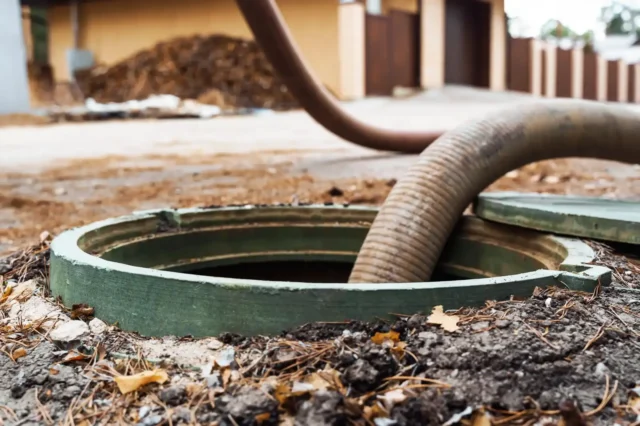
Repairing a septic tank makes sense when the problem is small, isolated, and the rest of the system is still working properly. Septic tank replacement may be the better choice when the tank is cracked, collapsing, leaking, repeatedly backing up, or too damaged to protect your home and drain field.
For many homeowners, the hard part is knowing where the line is between a fixable issue and a system that is reaching the end of its life. A damaged lid, clogged filter, or broken baffle may only need septic tank repair. A failing tank, saturated drain field, or recurring sewage backup may point to a larger problem.
If you are considering septic tank repair in Mt. Pleasant, NC, understanding the warning signs can help you make a smarter decision before the issue becomes more expensive.
How Do I Know If My Septic Tank Needs Replacement?
You may need septic tank replacement if the tank is structurally damaged, leaking, collapsing, or no longer able to separate and hold wastewater safely. A replacement may also be needed if repairs keep failing or the tank is too old for reliable use.
Cracks Or Structural Damage
A septic tank must be watertight and structurally sound. Cracks in concrete, corrosion in metal tanks, or damage to plastic tanks can allow wastewater to leak out or groundwater to leak in.
Small surface issues may be repairable. Larger cracks, shifting, or collapse risks may require replacement.
Repeated Sewage Backups
One backup may come from a clog or full tank. Repeated backups are more serious. If toilets, tubs, or lower drains keep backing up even after pumping or cleaning, the tank or system may not be functioning properly.
Recurring backups are one of the strongest signs that the system needs a detailed septic inspection.
Tank Is Too Small For The Home
A tank that is undersized for the household may become overloaded. This can lead to frequent pumping, slow drains, odors, and excess strain on the drain field.
If the home has been expanded or household use has increased, the original tank may no longer be adequate. In some cases, septic tank expansion may be worth discussing with a professional.
Repairs No Longer Hold
If the same problem keeps returning, replacement may be more practical than repeated service calls. A septic professional can help determine whether the tank itself is failing or whether another part of the system is causing the issue.
What Are The Most Common Septic Tank Repairs?
The most common septic tank repairs include fixing or replacing baffles, repairing lids and risers, cleaning or replacing filters, sealing minor leaks, repairing inlet or outlet pipes, and clearing blockages. Many septic issues can be repaired if they are caught early.
Baffle Repair Or Replacement
Baffles help control wastewater flow inside the tank. They keep solids from moving into the drain field and help the tank separate waste properly.
If a baffle is broken, missing, or deteriorated, solids may leave the tank and clog the system. Replacing a baffle can often prevent a much larger problem.
Lid And Riser Repairs
Septic lids and risers provide safe access to the tank. Damaged lids can create safety risks, allow water into the tank, or let odors escape.
A cracked or loose lid should be repaired quickly. If the access is difficult, adding or repairing septic risers can also make future maintenance easier.
Filter Cleaning Or Replacement
Some septic systems have an effluent filter near the outlet. This filter helps keep solids out of the drain field.
If the filter becomes clogged, wastewater may drain slowly or back up. Cleaning or replacing the filter can often restore proper flow.
Pipe And Connection Repairs
The inlet and outlet pipes move wastewater into and out of the tank. If these pipes are cracked, blocked, or misaligned, the system may not drain properly.
A pipe repair may solve the issue if the tank itself is still in good condition. When buildup or blockage is involved, septic line cleaning may also help restore flow.
Minor Leak Sealing
Some small leaks may be repairable, depending on the tank material and location of the damage. However, not every leak can be fixed permanently. A professional inspection is important before deciding.
These repairs are common reasons homeowners schedule septic tank repair before considering full replacement.
Is It Cheaper To Repair Or Replace A Septic System?
It is usually cheaper to repair a septic system than to replace it, but only when the repair solves the real problem. A small repair can save money if the tank and drain field are still in good condition. Replacement may be more cost-effective if the system is failing and repairs are only temporary.
When Repair Is The More Affordable Choice
Repair may be the best choice when the issue is limited to one part of the system. Examples include a damaged lid, clogged filter, broken baffle, blocked line, or minor pipe problem.
In these cases, septic tank repair in Mt. Pleasant, NC can restore performance without the cost and disruption of full replacement.
When Replacement May Save Money Long Term
Replacement may be the better financial decision if repairs are frequent, the tank is failing structurally, or the drain field is already damaged.
Repeated repairs can add up quickly. If the system continues to back up or leak, the cost of emergency service, cleanup, and property damage can become higher than planned replacement.
Do Not Decide By Price Alone
The lowest-cost option today is not always the best value. A cheap repair that does not solve the problem can lead to more repairs, sewage backups, and drain field damage.
A professional should explain whether the issue is isolated or part of a larger failure. That information helps you decide with more confidence.
Ask For A Clear Diagnosis
Before choosing repair or replacement, ask what caused the problem, what repair is being recommended, how long it should last, and whether the rest of the system is in good condition.
A good diagnosis can prevent unnecessary replacement and avoid wasting money on repairs that will not hold.
How Long Does A Septic Tank Typically Last?
A septic tank can last several decades when it is properly installed, regularly pumped, and protected from damage. The lifespan depends on the tank material, soil conditions, water use, maintenance habits, and whether the system has been overloaded.
Concrete Septic Tanks
Concrete tanks are common and can last a long time when properly built and maintained. However, they can crack, settle, or deteriorate if exposed to poor soil conditions, root damage, heavy vehicle traffic, or chemical stress.
Plastic Or Fiberglass Tanks
Plastic and fiberglass tanks resist corrosion and are lighter than concrete. They can last many years, but they must be installed correctly to prevent shifting or damage.
Poor installation or unstable soil can reduce their lifespan.
Steel Septic Tanks
Older steel tanks are more likely to rust and deteriorate over time. Corrosion can weaken the tank and create collapse risks.
If you have an older steel tank, replacement may be more likely than long-term repair.
Maintenance Affects Lifespan
Even a strong tank can fail early if it is neglected. Skipping pumping, flushing wipes, pouring grease down drains, using harsh chemicals, or overloading the system with water can shorten its life.
Routine septic pumping and inspections help protect the tank and drain field.
Can A Damaged Septic Tank Be Repaired Permanently?
Some damaged septic tanks can be repaired permanently, but not all damage is suitable for long-term repair. The answer depends on the type of damage, tank material, location of the problem, and overall condition of the system.
Repairs That May Last
Repairs to lids, risers, filters, baffles, and some pipe connections can often provide lasting results when done correctly.
If the tank is structurally sound, these repairs can extend the life of the system and improve performance.
Damage That May Not Stay Fixed
Large cracks, major settling, corrosion, collapse, or widespread structural weakness may not be repairable in a reliable way.
A repair may temporarily reduce symptoms, but the tank may continue to fail. In these cases, septic tank replacement is often the safer and more practical option.
Why Tank Material Matters
Concrete, plastic, fiberglass, and steel tanks all respond differently to damage. A repair method that works on one material may not work on another.
That is why a septic professional needs to inspect the tank before recommending a permanent fix.
Avoid Temporary Patches For Serious Problems
A temporary patch may seem helpful during an emergency, but it should not replace a full evaluation. If the tank is leaking waste into the ground or allowing groundwater in, the system can become unsafe and unreliable.
A permanent solution should protect both the home and the surrounding property.
What Are The Signs Of Septic Tank Failure?
Signs of septic tank failure include sewage backups, strong odors, slow drains throughout the home, wet or spongy areas in the yard, standing water near the drain field, and repeated problems after pumping. These symptoms should be addressed quickly.
Sewage Backups
Sewage backing up into toilets, tubs, showers, or floor drains is a serious warning sign. It may mean the tank is full, a line is blocked, or the system is failing.
If this happens, stop using water and call a septic professional.
Strong Odors
Septic odors near the tank, drains, or yard can suggest leaking wastewater, poor flow, or a full tank. Odors are not normal and should not be ignored.
Slow Drains Across The Home
If one drain is slow, it may be a small clog. If several drains are slow at the same time, the septic system may be involved.
Whole-home drainage problems often need septic service, not just drain cleaner.
Wet Yard Areas
Standing water, soggy grass, or spongy soil near the tank or drain field can indicate that wastewater is surfacing. This may point to drain field failure, tank overflow, or system overload.
Keep children and pets away from suspicious wet areas until the system is inspected. If the drain field is damaged, drain leach field repair may be needed.
Problems That Keep Coming Back
Recurring septic issues are a major red flag. If pumping helps only for a short time, there may be a deeper issue with the tank, drain field, lines, or system design.
These are the situations where repair and replacement should both be discussed.
Does Replacing A Septic Tank Increase Property Value?
Replacing a failing septic tank can support property value because it removes a major concern for buyers and helps protect the home’s function. A working septic system is essential for homes that are not connected to municipal sewer service.
A Reliable Septic System Builds Buyer Confidence
Buyers may be hesitant to purchase a home with septic problems. Backups, odors, unclear service history, or known system failure can create concern during inspection.
A properly replaced septic tank with documentation can give buyers more confidence.
Replacement Can Prevent Negotiation Problems
If a septic issue is discovered during a home sale, the buyer may ask for repairs, credits, price reductions, or replacement before closing.
Taking care of serious septic problems before listing can make the selling process smoother.
It May Not Add Luxury Value
A new septic tank does not usually add value in the same way as a kitchen remodel or new flooring. Instead, it protects the property’s basic function and removes a potential obstacle.
For septic homes, that matters.
Keep All Records
If you replace or repair your septic tank, keep permits, invoices, inspection reports, pumping records, and system diagrams. These records can be useful for future maintenance and real estate transactions.
A well-documented system shows responsible ownership.
Make The Right Decision For Your Septic System
Choosing between septic tank repair and septic tank replacement depends on the condition of the tank, the source of the problem, and how often issues return. Minor problems like damaged lids, clogged filters, broken baffles, or small pipe issues can often be repaired. Major structural damage, repeated backups, leaking tanks, corrosion, collapse risks, and recurring system failure may require replacement.
Repair is usually cheaper upfront, but replacement may offer better long-term value when the system is no longer reliable. The best decision starts with a professional inspection and a clear explanation of what is happening underground.
If you notice slow drains, sewage odors, backups, wet yard areas, or repeated septic problems, do not wait for the issue to get worse. Early service can protect your home, drain field, and budget.
Here at HoneyBee Septic Tank Service, we help homeowners make informed choices about septic tank repair in Mt. Pleasant, NC. Whether your system needs a simple repair, a full inspection, or guidance on replacement, our team is here to help you choose the right next step for your home. Contact us today to schedule service.