
Table of Contents
- What Does A Septic Tank Inspection Include?
- How Often Should A Septic System Be Inspected?
- What Problems Can A Septic Inspection Detect?
- How Long Does A Septic Inspection Take?
- Can An Inspection Prevent Costly Septic Repairs?
- What Is The Difference Between An Inspection And Pumping?
- How Much Does A Septic Tank Inspection Cost?
- Key Takeaways
- Protect Your System Before Problems Grow
Septic tank inspection services help homeowners identify hidden problems before they become expensive repairs or system failures. A professional inspection checks the tank, plumbing connections, liquid levels, baffles, filters, drainage conditions, and visible signs of damage.
Regular inspections support better septic system maintenance decisions and help protect the drain field from excess solids or wastewater. They are especially important before buying or selling a property, after recurring backups, or when the system’s history is unclear.
A thorough inspection provides useful information about current condition, safety concerns, and future service needs.
What Does A Septic Tank Inspection Include?
A standard inspection reviews the septic tank, access points, inlet and outlet pipes, baffles, filters, liquid levels, and visible structural condition. The technician also looks for signs of backups, leaks, root intrusion, groundwater entry, and poor drainage.
Inspection depth varies by system type, property condition, and service level. Some inspections are visual, while others include septic pumping, flow testing, camera work, or additional evaluation of the drain field.
Tank Access And Structural Condition
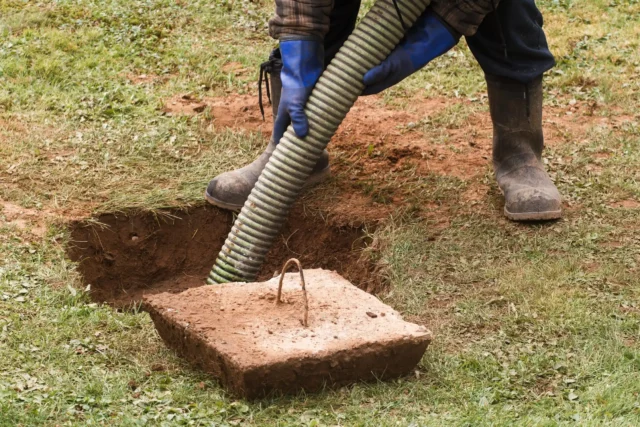
The technician locates the tank and opens approved access points. Lids, risers, walls, and exposed components are checked for cracks, corrosion, movement, or unsafe conditions.
Liquid levels may reveal whether the outlet is blocked or groundwater is entering the tank.
Baffles, Filters, And Flow
The inlet baffle directs wastewater downward. The outlet baffle helps keep floating solids from leaving the tank. Damaged components can reduce performance and threaten the drain field.
Effluent filters, when present, are checked for clogging and condition. Water may be run inside the home to observe flow into the tank and confirm that plumbing reaches the system correctly.
How Often Should A Septic System Be Inspected?
Most household septic systems should be inspected regularly, often every few years. The correct interval depends on tank size, household occupancy, water use, system design, age, and local requirements.
Systems with pumps, electrical controls, or advanced treatment components may need more frequent attention.
Conditions That Justify Earlier Inspection
Schedule an inspection sooner when drains slow down, toilets gurgle, sewage odors appear, wet areas develop, or wastewater backs up.
A major increase in household occupancy can also change how quickly solids accumulate.
Homeowners should consider an inspection before remodeling, adding bedrooms, installing heavy landscaping, or placing structures near the system.
A known maintenance schedule is safer than waiting for failure.
What Problems Can A Septic Inspection Detect?
A septic system inspection can identify structural damage, clogged filters, broken baffles, abnormal liquid levels, leaks, poor flow, and signs that solids may be reaching the drain field.
It may also reveal unsafe lids, damaged risers, root intrusion, corrosion, and possible groundwater infiltration.
Signs Of Drain Field Stress
The technician may observe standing water, unusually green grass, sewage odors, soft ground, or wastewater surfacing near the drain field.
These signs can indicate hydraulic overload, clogged soil, damaged distribution components, or system failure.
Plumbing And Usage Problems
An inspection may uncover leaking fixtures or excessive water use that keeps the system overloaded.
Improper disposal of grease, wipes, chemicals, and non-biodegradable items may also be evident through clogs or unusual tank contents.
Early detection gives homeowners more options. Some problems can be corrected through septic cleaning, pumping, component replacement, water conservation, or improved maintenance before larger damage occurs.
How Long Does A Septic Inspection Take?
A basic inspection may take about one to several hours, depending on system access, tank location, service level, and property conditions.
Time increases when lids are buried, records are unavailable, or additional testing is needed.
Factors That Affect The Timeline
Locating the tank can take longer when there are no risers, maps, or visible access points. Digging, exposing lids, and working around landscaping may add time.
Pumping, camera inspection, dye testing, flow testing, and drain field evaluation also extend the visit.
A real estate inspection may require more documentation, photographs, measurements, and written findings than a routine maintenance check.
Homeowners can help by providing past service records, system diagrams, and clear access to the yard.
Can An Inspection Prevent Costly Septic Repairs?
Yes. An inspection can identify developing problems before they damage the tank, drain field, plumbing, or surrounding property.
A clogged filter, broken baffle, leaking fixture, or damaged lid may be less expensive to correct early.
Protecting The Drain Field
The drain field is one of the most expensive parts of the system to repair or replace. Excess solids, wastewater overload, and poor maintenance can shorten its service life.
Inspection findings help homeowners adjust pumping schedules, water use, and household habits.
Avoiding Emergency Damage
Backups can damage flooring, walls, furniture, and personal belongings. Sewage exposure may also require professional cleanup and sanitation.
Regular inspection reduces uncertainty by showing whether the system is functioning normally or needs attention.
It cannot prevent every failure, but it supports timely decisions and lowers the chance that small issues become major expenses. When damage is discovered, professional septic tank repair may help address problems before they become more extensive.
What Is The Difference Between An Inspection And Pumping?
An inspection evaluates condition and performance. Pumping removes liquid, sludge, and floating solids from the tank.
The services are related, but they serve different purposes.
What Inspection Provides
Inspection checks components, liquid levels, flow, visible damage, and possible signs of drain field trouble. It helps determine whether maintenance or repair is needed.
What Pumping Provides
Pumping restores usable tank capacity and reduces the amount of solids that could move toward the drain field.
A tank may need pumping even when there are no obvious problems. Likewise, a recently pumped tank can still have damaged baffles, cracked lids, leaking pipes, or drain field issues.
Some inspections are more complete when the tank is pumped because the technician can view interior surfaces and components more clearly.
Homeowners should ask whether the quoted inspection includes pumping or whether it is priced separately.
How Much Does A Septic Tank Inspection Cost?
Inspection cost depends on service depth, tank access, system type, location, testing methods, and whether pumping is included.
A simple visual check generally costs less than a real estate inspection, camera evaluation, or full system assessment.
Factors That Change Pricing
Buried lids, difficult access, multiple tanks, pumps, alarms, electrical components, and advanced treatment systems can increase labor.
Additional charges may apply for excavation, pumping, filter cleaning, camera work, written reports, or emergency scheduling.
Homeowners should request a written explanation of what the price includes.
When comparing a septic tank inspection in Mt. Pleasant, NC, confirm whether the service covers tank access, component checks, flow testing, drain field observations, photographs, and recommendations.
The lowest price may not provide the most complete information. Value depends on inspection quality, clear documentation, and useful findings.
Key Takeaways
Septic inspections evaluate tank condition, liquid levels, baffles, filters, plumbing flow, access points, and visible drain field concerns. Regular service can identify clogs, cracks, leaks, unsafe lids, groundwater intrusion, and early signs of failure.
Inspection and pumping are different, although combining them may provide a clearer view of internal components. Cost depends on access, system type, testing, pumping, and reporting requirements.
Homeowners benefit most by keeping records, following maintenance recommendations, and scheduling inspections before warning signs become emergencies. Early information supports safer decisions and lower long-term costs.
Protect Your System Before Problems Grow
A septic inspection is most useful before backups, odors, and wet ground make the problem obvious. Honeybee Septic Tank Service helps homeowners understand system condition, maintenance needs, and visible warning signs.
A planned inspection can support better pumping schedules, protect the drain field, and reduce emergency risk.
Homeowners should keep service records and act promptly on documented concerns. Clear information makes it easier to budget for maintenance, address small repairs, and protect the property from avoidable septic damage.
This approach also supports smoother property sales and future planning.