
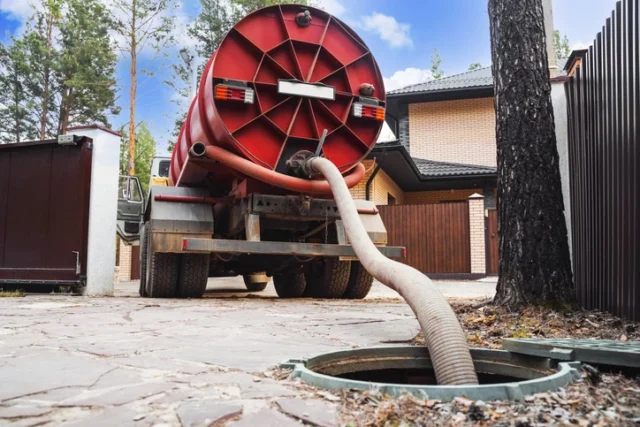
A full septic tank often gives warning signs before a major problem occurs. Slow drains, sewage odors, gurgling pipes, standing water, and backups inside the home are common indicators that pumping may be needed soon.
Recognizing these symptoms early can help prevent drain field damage, plumbing emergencies, and expensive repairs. Understanding the most common signs a septic tank is full allows homeowners to take action before a minor issue becomes a costly system failure.
How Can You Tell If Your Septic Tank Is Full?
A septic system usually provides several warning signs when it approaches capacity.
Wastewater Moves More Slowly
As solids accumulate inside the tank, less space remains available for wastewater processing.
This can affect how efficiently the entire system functions.
Multiple Symptoms Often Appear Together
A full tank rarely causes only one issue.
Homeowners may notice:
- Slow drains
- Odors
- Gurgling sounds
- Standing water
- Sewage backups
The presence of multiple symptoms increases the likelihood that pumping is needed.
Maintenance History Matters
If it has been several years since the last service appointment, the likelihood of a full tank increases.
Many homeowners ask when to pump a septic tank only after problems appear.
Regular inspections and septic tank pumping help determine the proper maintenance schedule before warning signs develop.
Professional Evaluation Provides Certainty
Although symptoms can indicate a full tank, a professional inspection remains the most reliable way to confirm whether pumping is required. A professional septic inspection can accurately assess sludge levels and system condition.
Do Slow Drains Mean Your Septic Tank Needs Pumping?
Slow drains are one of the most common signs of septic system problems.
Wastewater Flow Becomes Restricted
When a tank reaches capacity, wastewater may not move through the system as efficiently.
This can result in slower drainage throughout the home.
Watch for Multiple Affected Fixtures
A single slow sink may indicate a localized plumbing clog.
However, when several fixtures drain slowly at the same time, the septic system may be involved.
Affected fixtures may include:
- Toilets
- Sinks
- Showers
- Bathtubs
- Floor drains
Gradual Changes Are Easy to Miss
Drainage problems often develop slowly.
Many homeowners adapt to the issue before realizing system performance has changed significantly.
Pumping May Restore Normal Flow
If sludge levels are excessive, septic tank pumping in Mt. Pleasant, NC may help restore proper wastewater movement and reduce strain on the system.
Other Causes Are Possible
Although slow drains often indicate septic concerns, plumbing blockages and drainage issues should also be considered during diagnosis. In some cases, septic line cleaning may be recommended if restrictions are affecting wastewater flow.
Why Do Septic Systems Smell When They’re Full?
Persistent sewage odors are another important warning sign.
Gases Are Normally Contained
A properly functioning septic system processes waste while keeping unpleasant odors contained within the system.
Full Tanks Disrupt Normal Operation
As the tank fills, wastewater movement becomes less efficient.
This can allow odors to become more noticeable around:
- Drains
- Toilets
- The tank area
- The drain field
Drain Field Stress Can Increase Odors
If solids begin affecting drain field performance, wastewater may not disperse properly.
This often contributes to stronger smells outdoors.
Odors Should Never Be Ignored
Sewage odors may indicate:
- A full tank
- Drain field issues
- Ventilation problems
- System overload
Prompt evaluation can help identify the cause before more serious damage develops.
Among the most common signs a septic tank is full, persistent odors are often one of the earliest warnings homeowners notice. Homeowners can also learn more about inspection-related warning signs in Septic Inspections Don’t Fail Randomly: Patterns Professionals See Again and Again.
What Does Sewage Backup Indicate About Your Tank?
Sewage backup is one of the most serious signs that immediate attention may be required.
Wastewater Has Nowhere to Go
When the tank becomes overloaded, wastewater may begin flowing back toward the home.
This can create unsanitary conditions and property damage.
Common Backup Locations
Homeowners may observe sewage appearing in:
- Toilets
- Bathtubs
- Showers
- Floor drains
- Basement plumbing fixtures
These symptoms should be addressed immediately.
Health and Safety Concerns
Raw sewage contains harmful bacteria and contaminants.
Exposure can create health risks and require professional cleanup.
Backups Often Indicate Advanced Problems
Unlike slow drains or odors, sewage backups frequently suggest that the system has already reached a critical stage.
Waiting longer can increase repair costs significantly.
Emergency Service May Be Necessary
When backups occur, homeowners should reduce water usage and contact a qualified septic professional as soon as possible.
Understanding when to pump a septic tank can help prevent these emergency situations from occurring. In urgent situations, emergency septic services may be necessary to minimize damage.
Is Pooling Water in the Yard a Warning Sign?
Yes. Standing water near the septic tank or drain field often signals system stress.
Wastewater May Be Surfacing
A properly functioning drain field absorbs and disperses treated wastewater underground.
When performance declines, water may begin appearing at the surface.
Common Visual Signs
Look for:
- Wet patches
- Standing water
- Muddy areas
- Unusually green grass
- Saturated soil
These conditions may appear even during dry weather.
Drain Field Overload Is Possible
Excessive sludge accumulation can contribute to drain field problems by allowing solids to enter areas intended only for treated wastewater.
Early Action Helps Protect the Drain Field
Drain field repairs are often much more expensive than routine pumping.
Addressing problems early can help preserve system performance. If drain field issues are identified, drain leach field repair may be required to restore proper drainage.
Do Not Assume Rainfall Is Responsible
If wet areas persist after surrounding soil has dried, septic system evaluation may be necessary.
Professional septic tank pumping in Mt. Pleasant, NC can help determine whether the issue is related to tank capacity or another system concern.
Can Gurgling Pipes Mean Your Septic Tank Is Full?
Yes. Gurgling sounds are often associated with restricted wastewater flow.
Air Becomes Trapped
As wastewater movement slows, air may become trapped within plumbing lines.
This can create unusual noises when fixtures are used.
Common Locations for Gurgling
Homeowners often hear sounds near:
- Toilets
- Sinks
- Showers
- Bathtubs
These noises may occur during flushing or draining.
Gurgling Often Precedes Larger Problems
In many cases, gurgling appears before more severe symptoms such as backups.
Addressing the issue early can prevent additional system stress.
Combined Symptoms Increase Concern
Gurgling becomes more significant when accompanied by:
- Slow drains
- Odors
- Pooling water
- Frequent plumbing issues
These combinations frequently indicate one of the classic signs a septic tank is full.
Inspection Provides Answers
Because gurgling may also result from plumbing vent issues or drain restrictions, professional evaluation remains important.
A technician can determine whether pumping or additional repairs are required.
Don’t Ignore the Early Signs of Septic Trouble
A full septic tank can cause slow drains, bad odors, gurgling pipes, pooling water, and even sewage backup. These warning signs may start small, but they can quickly turn into costly repairs if ignored.
The most important signs a septic tank is full include problems that affect multiple drains, sewer smells inside or outside the home, wet areas near the drain field, and wastewater backing up into fixtures. If you notice any of these issues, it is time to take action.
Regular septic tank pumping is one of the best ways to protect your system and avoid emergencies. Instead of waiting for a messy backup, it is better to follow a proper maintenance schedule and call for help when early warning signs appear.
Keep Your Septic System Safe with HoneyBee Septic Tank Service
At HoneyBee Septic Tank Service, we help homeowners identify septic issues early and keep their systems running properly. If you are unsure when to pump a septic tank in Mt. Pleasant, NC, our team can inspect your system, explain what is happening, and recommend the right next step.
Do not wait for slow drains or sewage backup to become a bigger problem. Schedule your septic tank pumping with HoneyBee Septic Tank Service and keep your home, yard, and septic system protected.