
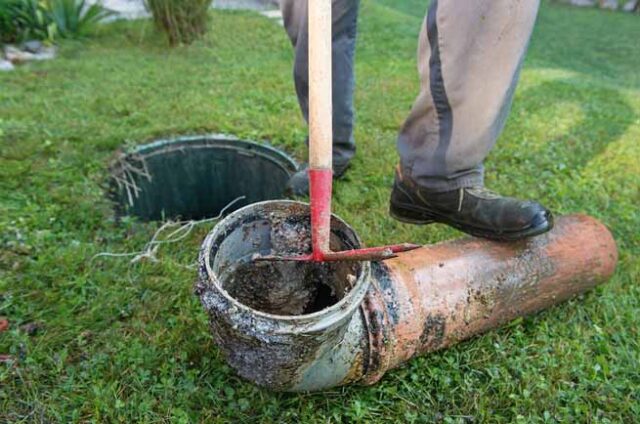
A failing septic system often shows warning signs before major backups or property damage occur. Slow drains, sewage odors, standing water, gurgling pipes, and unusual lawn growth are common indicators that a professional septic system inspection may be necessary.
Ignoring early septic symptoms can lead to expensive repairs, health hazards, and wastewater contamination around the property. Understanding the most common septic system warning signs helps homeowners address problems early before the system experiences complete failure or severe drain field damage.
What Are the Early Signs of Septic System Failure?
Septic systems often display subtle warning signs before major breakdowns occur. Recognizing these symptoms early can help prevent expensive repairs and sewage backups.
Slow Drainage Throughout the Home
One of the most common early signs is slow drainage from multiple fixtures.
This may affect:
- Toilets
- Showers
- Sinks
- Bathtubs
If several drains become sluggish at the same time, the septic system may be struggling to process wastewater properly.
Sewage Odors Near Drains or Outdoors
Strong sewage smells can indicate waste is not moving through the system correctly.
Odors may appear:
- Inside the home
- Near the septic tank
- Around the drain field
Persistent smells should never be ignored.
Frequent Plumbing Backups
Occasional clogs happen in most homes. However, repeated backups involving multiple fixtures may suggest larger septic problems rather than isolated drain issues. In severe cases, homeowners may need emergency septic services to prevent additional damage.
Wet Spots Around the Drain Field
Excess moisture near the septic area can signal poor drainage or wastewater surfacing above ground. This often indicates system overload or drain field failure. When the drain field is affected, professional drain and leach field repair may be necessary.
Changes in Lawn Appearance
Unexpectedly green or fast-growing grass near the septic system may indicate leaking wastewater underground. This is one of the more overlooked septic system warning signs homeowners may notice.
Why Do Slow Drains Indicate Septic Problems?
Slow drains can occur when wastewater cannot move efficiently through the septic tank or drain field. The problem may begin gradually before becoming more serious.
Wastewater Flow Becomes Restricted
A healthy septic system moves wastewater steadily from the house into the tank and drain field.
Slow drainage may indicate:
- Tank overfilling
- Pipe blockage
- Drain field saturation
- Waste buildup
Restricted flow causes water to drain more slowly throughout the home.
Multiple Slow Fixtures Suggest a Larger Issue
A single slow sink may only indicate a local clog. However, when several fixtures drain slowly at once, the septic system itself may be affected.
This is especially concerning when combined with:
- Gurgling sounds
- Odors
- Backups
Full Septic Tanks Can Slow Plumbing Performance
When septic tanks become too full, wastewater movement slows down significantly. Routine septic pumping helps prevent:
- Solids buildup
- System overload
- Drainage restrictions
Ignoring maintenance can increase the risk of major failure.
Drain Field Problems May Also Affect Drainage
The drain field absorbs treated wastewater into the soil. If the field becomes saturated or damaged, water may struggle to leave the system properly. This often causes plumbing fixtures to drain slowly indoors.
What Smells Suggest Your Septic Tank Needs Inspection?
Strong sewage odors inside or outside the property often indicate septic system problems that require prompt inspection. A properly functioning septic system should not produce persistent foul smells.
Indoor Sewage Odors Are a Warning Sign
Smells inside the home may come from:
- Floor drains
- Toilets
- Sinks
- Shower drains
Persistent odors can indicate:
- Septic backup
- Venting issues
- Blockages
- Tank overfilling
Professional evaluation is usually recommended.
Outdoor Odors Near the Drain Field Matter
Strong smells around the yard may suggest untreated wastewater is escaping improperly.
This can happen because of:
- Drain field failure
- Tank overflow
- Broken pipes
- Excess wastewater buildup
Odors often become stronger during warm weather.
Septic Gases Should Not Accumulate
Septic systems naturally produce gases during waste breakdown. However, those gases should remain contained within the system. Noticeable sewage smells may indicate leaks or ventilation problems.
Odors May Worsen After Heavy Water Use
Laundry, long showers, or large water usage may temporarily intensify septic odors when the system is already struggling. This often signals the need for a septic system inspection before larger issues develop.
Is Standing Water in the Yard a Sign of Septic Issues?
Yes. Standing water near the septic tank or drain field often indicates the system is no longer processing wastewater effectively. This problem should be evaluated quickly.
Drain Field Saturation Is a Common Cause
The drain field is designed to disperse wastewater slowly into the soil. If the field becomes overloaded, wastewater may rise to the surface.
This can create:
- Puddles
- Muddy areas
- Persistent wet spots
Even during dry weather, standing water may remain visible.
Heavy Rain Can Worsen Existing Septic Issues
Rain alone does not usually cause severe standing water near a properly functioning septic system. However, saturated soil can worsen existing drain field problems. This reduces the soil’s ability to absorb wastewater efficiently.
Wastewater Exposure Creates Health Risks
Standing septic water may contain harmful bacteria and contaminants. Children and pets should avoid affected areas until the issue is inspected and repaired.
Persistent Wet Areas Should Not Be Ignored
Temporary moisture may occur after storms. However, repeated or constant wet spots near the septic area often indicate developing system failure.
What Does Gurgling Plumbing Mean for Septic Systems?
Gurgling sounds often occur when air becomes trapped inside the plumbing system because wastewater flow is restricted. These sounds may signal septic or drainage problems.
Gurgling May Happen After Flushing
You may hear bubbling or gurgling from:
- Toilets
- Sinks
- Tubs
- Drains
This often happens when wastewater struggles to move through the system normally.
Blockages May Affect Airflow
Restricted septic lines can interfere with proper airflow inside plumbing pipes. This may create unusual sounds as trapped air moves through the drains. In some cases, septic line cleaning may help restore proper flow.
Septic Backups May Develop Later
Gurgling often appears before major backups occur. Ignoring the sounds may allow the problem to worsen until wastewater returns into the home.
Combined Symptoms Increase Concern
Gurgling becomes more serious when combined with:
- Slow drains
- Sewage odors
- Standing water
- Frequent clogs
These combined symptoms strongly suggest possible signs of septic tank problems homeowners should not ignore.
Can Lush Green Grass Signal a Septic Leak?
Yes. Unusually green, soft, or fast-growing grass above the drain field may indicate wastewater leakage underground. Septic leaks sometimes fertilize the surrounding soil.
Wastewater Contains Nutrients
Leaking wastewater contains nutrients that can stimulate grass growth.
Affected areas may appear:
- Brighter green
- Thicker
- Faster growing
- More lush than surrounding lawn areas
This difference may become especially noticeable during dry seasons.
Excess Moisture May Accompany Grass Changes
The grass may also feel:
- Softer
- Soggy
- Wet underfoot
This can indicate excess wastewater beneath the surface.
Healthy Grass Alone Is Not Always a Problem
Some grass variation is normal. However, dramatic changes directly above the septic area may indicate leakage or drain field saturation.
Early Inspection Helps Prevent Larger Damage
Catching septic leaks early may help prevent:
- Drain field failure
- Property contamination
- Expensive excavation work
- Sewage surfacing
Professional evaluation helps determine the actual cause of abnormal lawn conditions.
Final Thoughts
Recognizing early septic system warning signs can help homeowners avoid costly repairs, sewage backups, and major drain field damage. Slow drains, gurgling plumbing, standing water, sewage odors, and unusually green grass often indicate developing septic problems that require professional attention.
A timely septic system inspection helps identify blockages, tank overfilling, drainage issues, and system leaks before they become severe. Ignoring these symptoms may increase health risks and repair costs significantly.
Routine maintenance, regular pumping, and early inspections remain some of the most effective ways to protect long-term septic system performance and property safety. Ongoing septic system maintenance can also reduce the risk of sudden failures and costly repairs.
Protect Your Property With Early Septic Attention
At HoneyBee Septic Tank Service, we believe homeowners should never ignore early septic system warning signs. Small symptoms like slow drains, odors, or wet spots can quickly turn into major septic failures if left untreated.
Our team focuses on thorough inspections, honest recommendations, and long-term septic system protection. Whether you are experiencing unusual plumbing behavior or researching signs of septic tank problems, we are committed to helping homeowners identify issues early and keep their septic systems operating safely and efficiently.