
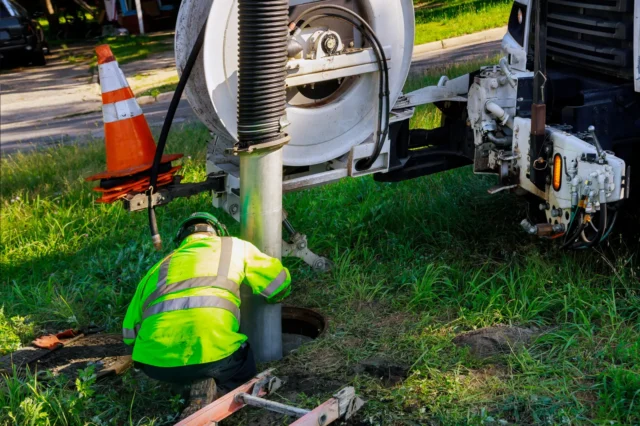
When it comes to maintaining your home’s septic system, regular septic tank service is crucial for ensuring that your system continues to function properly. But what exactly is included in a septic tank service package in Mt. Pleasant, NC? Knowing what to expect during a septic maintenance appointment can help you make informed decisions and prevent costly repairs down the road. Let’s break down the key components of a typical septic service package. From routine inspections to pumping and repairs, we’ll cover everything you need to know to keep your septic system in top condition.
What Services are Included in Septic Tank Maintenance?
A septic tank service package typically includes a variety of essential tasks to keep your system running smoothly. The primary services included in septic maintenance are:
- Septic Tank Pumping: Over time, solids accumulate in the septic tank, and pumping is necessary to prevent blockages. Regular pumping ensures that the tank has enough capacity to handle incoming waste. Learn more about our septic pumping services.
- Tank Inspection: A visual inspection of the septic tank is performed to check for signs of damage, leaks, or sludge buildup. This helps identify potential issues before they become major problems.
- Checking Inlet and Outlet Pipes: The pipes that connect the tank to the drain field are examined to ensure they’re clear and functioning correctly.
- Scum Removal: Scum and sludge layers are carefully monitored and removed as needed to keep your system in balance.
These services are designed to prevent backup, prolong the life of your system, and avoid costly repairs by catching problems early.
Does Septic Service Include Inspection and Pumping?
Yes, septic service typically includes both inspection and pumping as part of the service package. Here’s how these services work together:
- Inspection: During a septic service appointment, a trained technician will inspect the tank for signs of wear and tear, including cracks, leaks, or damage to the components. This is an essential step in identifying minor issues before they lead to major repairs.
- Pumping: Pumping is necessary to remove solids that accumulate in the tank over time. Without regular pumping, your septic tank can become overloaded, leading to backups and system failure.
Both inspection and pumping are essential parts of septic tank service and should be done regularly as part of a comprehensive maintenance plan. For more information on our pumping services, visit our website.
How Long Does a Septic Service Appointment Take?
The length of a septic service appointment depends on the type of service required and the condition of your system. On average, a standard septic tank service appointment typically takes between 1 to 2 hours.
For a basic service, the technician will:
- Inspect the septic tank.
- Pump the tank if necessary.
- Check the system’s components, including the pipes and filters.
However, if repairs or extensive cleaning are needed, the service appointment may take longer. If you’re having a septic tank inspection done prior to buying or selling a home, this may also take more time due to a more thorough assessment of the system. It’s always a good idea to ask the septic company for an estimated timeframe before scheduling your service.
Are Repairs Included in Standard Septic Service Packages?
Repairs are generally not included in a standard septic service package, though they may be recommended during the inspection. If the technician finds any issues, such as a broken pipe, a cracked tank, or an obstructed drain field, they may suggest necessary repairs to avoid further damage.
Common repairs that may be needed include:
- Leaking tank repairs
- Pipe replacements
- Drain field maintenance
- Pump replacements
If repairs are recommended, the technician will usually provide a separate estimate for the work. Some companies offer repair packages or service contracts that can help with the cost of future repairs. Explore more about our septic tank repair services.
How Often Should You Schedule a Full Septic Service?
The frequency of septic service depends on the size of your tank, the number of people in your household, and your overall water usage. As a general guideline:
- Septic tank pumping is typically recommended every 3 to 5 years, but this may vary based on usage.
- If your household has more than 4 people, or if you use large amounts of water (e.g., a lot of laundry, frequent dishwasher use), you may need more frequent pumping.
- Septic inspections should be done annually or every other year to monitor the system’s overall health.
Regular septic maintenance is essential to avoid emergency situations and costly repairs. It’s always a good idea to ask your septic service provider for a maintenance schedule tailored to your specific needs.
Do Septic Companies Check the Drain Field During Service?
Yes, septic companies typically check the drain field during a service appointment, although it’s usually an assessment rather than a full inspection. The drain field is the area where the liquid waste from the septic tank is filtered and treated by the soil. Here’s what technicians look for during a drain field inspection:
- Pooling water: Any standing water or wet spots near the drain field could indicate that the system is failing or the soil is saturated.
- Foul odors: Strong odors can indicate that the drain field is not properly filtering waste.
- Clogs or damage: The technician may check for signs of clogs or damage to the pipes that lead from the septic tank to the drain field.
If the technician notices any signs of trouble with the drain field, they may recommend further action, such as cleaning or replacing the pipes, or in severe cases, installing a new drain field. For drain field repairs, check out our leach field repair services.
What Should Homeowners Expect During a Septic Inspection?
During a septic tank inspection, homeowners should expect a comprehensive evaluation of their system. Here’s what typically happens:
- Inspection of the Tank: The technician will check the septic tank for any damage, such as cracks, leaks, or deterioration. They’ll also check the level of sludge and scum inside the tank to determine if pumping is necessary.
- Visual Inspection of the Drain Field: The technician will look for signs of problems with the drain field, including standing water or odors.
- Check for Clogs: The technician will inspect the inlet and outlet pipes to ensure that they are clear and functioning properly.
- General System Evaluation: The overall health of the system will be assessed, including the condition of the septic pump, if applicable, and any filters or components that require maintenance.
Homeowners should expect the technician to explain the condition of the system and provide recommendations for future maintenance or repairs. If everything is in good shape, you may only need a simple pumping, but if repairs or replacements are necessary, the technician will discuss the options with you.
Final Thoughts
Regular septic tank service is vital to maintaining the health and longevity of your system. From inspections to pumping and minor repairs, a comprehensive service package helps prevent costly issues and ensures your septic system runs smoothly. Scheduling regular maintenance is the key to avoiding emergencies and keeping your home’s plumbing in top condition. By staying on top of septic care, you can ensure that your system functions properly for years to come.
Trust HoneyBee Septic Tank Service for Comprehensive Care
Knowing what’s included in a septic tank service package helps homeowners stay on top of their septic maintenance needs. Regular service, including inspection, pumping, and minor repairs, is essential to keeping your system running smoothly and avoiding major problems down the line. At HoneyBee Septic Tank Service, we offer thorough septic tank services to ensure that your system is in top condition. Whether you need routine maintenance or have a more pressing issue, our team is here to provide reliable, professional care.
Contact us today to schedule your next septic service appointment and keep your system working flawlessly!