
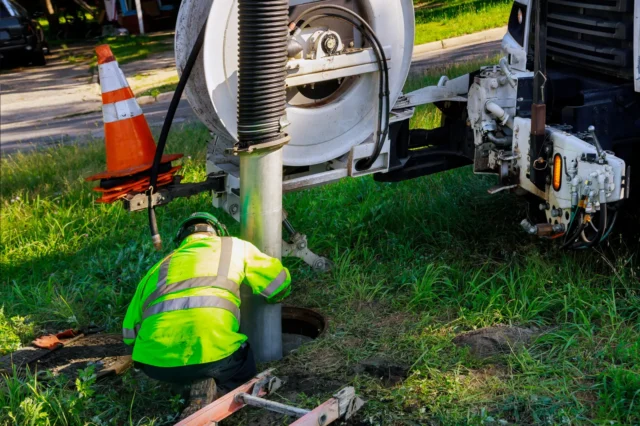
A septic tank needs immediate service when drains slow down, toilets gurgle, sewage odors appear, wastewater backs up, or wet spots form near the drain field. These are serious signs of septic tank problems that should not be ignored.
Fast action protects plumbing, groundwater, and family health. Septic issues rarely self-correct. When the system is full, blocked, or failing, delays can turn manageable service into expensive cleanup, repair, or replacement.
What Are the Warning Signs of a Full Septic Tank?
A full septic tank often affects several parts of the home at once. One slow sink may be local, but whole-house slow drains usually point to a larger septic issue.
Common warning signs include poor flushing, slow tubs, bubbling sounds, sewage odors, low-drain backups, and unusually green grass over the drain field.
Why Full Tanks Create Backups
A septic tank separates solids, grease, and wastewater. When sludge and scum levels rise too high, wastewater has less room to separate properly.
If solids reach the outlet, they can clog pipes or enter the drain field. That is when emergency septic services may be needed to prevent indoor backups.
Why Are My Drains Suddenly Draining Slowly?
Sudden slow drains can mean the septic system is overloaded, clogged, or unable to move wastewater correctly. If several fixtures slow down together, the problem is likely septic-related.
A septic blockage can occur in the main line, inlet, outlet, filter, or drain field. Heavy water use can also overwhelm a system near capacity.
When Slow Drains Become Urgent
Slow drains need prompt attention when they appear with gurgling toilets, sewage smell, standing water, or backups. These symptoms suggest wastewater is not leaving the home properly.
Avoid chemical drain cleaners as a first response. They can disturb tank bacteria and may not solve the real problem. A professional septic inspection is a safer solution.
Is a Sewage Smell Outside My Home a Septic Problem?
Yes, sewage odors outside the home can indicate septic trouble, especially near the tank, drain field, cleanout, or plumbing vents. A properly working septic system should not produce strong yard odors.
Odors may come from a full tank, leaking lid, broken pipe, failed drain field, blocked vent, or exposed wastewater.
Do Not Ignore Persistent Odors
A one-time odor after service may clear quickly. A repeated or strong smell is different. It means gases or wastewater may be escaping where they should not.
Sewage odors are among the clearest signs of septic tank problems because they often appear before visible backups. Scheduling septic tank service in Mt. Pleasant, NC quickly can identify the source before contamination spreads.
Can a Septic Tank Cause Water to Pool in the Yard?
Yes. Pooling near the septic tank or drain field can be serious. It may mean wastewater is rising to the surface instead of filtering through the soil.
This can happen when the tank is full, the drain field is saturated, or the system is blocked.
What Yard Pooling May Indicate
Watch for:
- Soggy ground
- Standing water
- Muddy patches
- Sewage odor
- Grass that looks much greener than nearby areas
These conditions can suggest untreated wastewater is reaching the surface.
Do not walk through or mow over suspicious wet areas. Keep children and pets away until inspection. Surface wastewater can contain harmful bacteria.
If the drain field is no longer functioning correctly, drain leach field repair may be necessary to restore proper wastewater treatment.
What Does a Failing Septic System Look Like?
A failing septic system usually shows multiple warning signs. The home may have slow plumbing, recurring backups, drain odors, and toilets that do not flush normally. Outside, the yard may show wet spots, sunken soil, or strong sewage smells.
Failure can happen gradually or after missed maintenance. It may also follow flooding, tree roots, heavy water use, or vehicle damage.
Failure Affects More Than the Tank
The septic tank is only one part of the system. Pipes, baffles, filters, distribution boxes, and the drain field must work together.
When one part fails, wastewater movement slows or stops. If solids reach the drain field, soil can clog and lose its ability to absorb wastewater. That can lead to costly repairs.
Routine septic system maintenance helps identify developing issues before they become complete system failures.
Should I Call a Professional if My Toilet Keeps Gurgling?
Yes. A gurgling toilet can signal trapped air, blocked plumbing, or septic system pressure. If the sound happens once, it may not be serious. If it continues, call a professional.
Gurgling often happens when wastewater cannot flow freely. Air pushes back through the plumbing and creates bubbling sounds.
Gurgling With Other Symptoms Is Serious
Call for help quickly if gurgling happens with slow drains, sewage odors, wet yard areas, or toilet backups. These are strong signs of septic tank problems.
A technician can check whether the issue is a clog, full tank, blocked filter, or drain field problem. Early diagnosis can prevent backups.
Learn more about the warning signs that it’s time for professional septic tank pumping before minor issues become emergencies.
Can Septic Issues Become a Health Hazard?
Yes. Septic problems can become a health hazard when untreated wastewater backs up indoors or reaches the yard surface. Sewage can contain bacteria, viruses, parasites, and other contaminants.
Exposure can affect people, pets, soil, and nearby water sources. That is why wastewater should never be handled casually.
Protect the Home Immediately
If sewage backs up, stop using water as much as possible. Avoid flushing toilets, running laundry, or using dishwashers until the system is checked.
Keep people away from contaminated areas. Do not attempt major cleanup without proper protection.
When health risks are present, emergency septic services are the safest option. A professional can locate the problem, pump the tank if needed, clear blockages, and recommend repairs.
Key Insights
Immediate septic service is needed when slow drains, gurgling toilets, sewage odors, backups, wet yard areas, or unusually green drain field grass appear. These symptoms often mean the tank is full, lines are blocked, or the drain field is failing. Acting early protects your home, health, plumbing, soil, and budget.
A professional septic inspection confirms the source of the problem, helps determine whether pumping or repairs are needed, and prevents emergency damage from spreading through the system or into the home before problems become more expensive and unsafe for your family.
Get Septic Help Before Damage Spreads
Stop septic problems before they reach your home. At HoneyBee Septic Tank Service, we respond with practical guidance, professional inspections, and reliable service when homeowners notice urgent warning signs.
We understand how stressful backups, odors, slow drains, and yard pooling can be, so we focus on clear answers and effective solutions. Whether you need emergency septic services or septic tank service in Mt. Pleasant, NC, we are ready to help protect your property.
Contact us today to schedule service and get your septic system working safely, cleanly, and efficiently again before the problem gets worse for your family.