
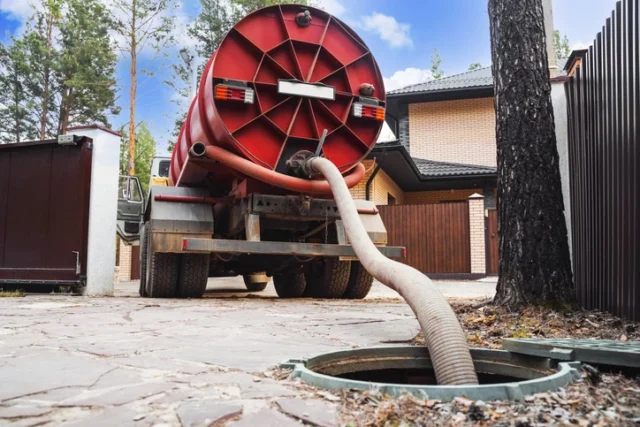
The average septic tank pumping cost in 2026 is often around $300 to $600 for a standard residential service, with many homeowners paying near the $400 to $450 range nationally. In North Carolina, several current pricing guides place standard pumping commonly around $275 to $500, depending on tank size, access, location, and service needs.
For homeowners in Mt. Pleasant, the final price depends on more than the tank itself. A simple, accessible, regularly maintained tank usually costs less to pump than a neglected tank with buried lids, heavy sludge, or access issues.
If you are comparing affordable septic tank pumping or planning septic tank pumping in Mt. Pleasant, NC, the best approach is to understand what affects the price before you schedule service. That helps you budget realistically and avoid surprises.
What Is The Average Cost To Pump A Septic Tank?
The average cost to pump a septic tank usually falls between $300 and $600 for a routine residential job. Angi’s 2026 cost data lists an average of $428, with most homeowners paying between $291 and $564. HomeGuide lists an average of $375, with many homeowners spending between $295 and $610.
What Homeowners Usually Pay
For a typical residential septic tank, many homeowners can expect a standard pump-out to cost a few hundred dollars. Smaller tanks with easy access may fall toward the lower end. Larger tanks, hard-to-reach lids, long hoses, or extra service needs can increase the total.
North Carolina-specific pricing guides show similar ranges. One 2026 guide lists North Carolina septic pumping commonly between $275 and $500, with an average near $375. Another guide reports many standard North Carolina pump-outs falling between $300 and $500.
Why Local Estimates Matter
Online averages are useful, but they are not a final quote. The cost of septic tank pumping in Mt. Pleasant, NC can vary based on travel distance, disposal fees, tank size, how easy the tank is to locate, and whether the system needs extra attention.
A local septic company can give a more accurate estimate once they understand your tank size, property layout, and service history.
Pumping Is Preventive Care
Septic pumping may feel like an expense you can delay, but it is part of normal home maintenance. Routine pumping removes sludge and scum before they move into the drain field.
That matters because drain leach field repair can be far more expensive than a standard service call. Staying ahead of the schedule is usually the most affordable choice.
What Factors Affect Septic Tank Pumping Prices?
Several factors affect septic tank pumping prices, including tank size, tank accessibility, how full the tank is, when it was last serviced, disposal fees, travel distance, inspection needs, and whether emergency service is required.
Tank Accessibility
A tank with visible, easy-to-open lids is usually faster and less expensive to service. If the lids are buried, covered by landscaping, under a deck, or hard to locate, the job may take longer.
Some companies charge extra for digging, locating, or uncovering access points. Homeowners can often reduce service time by knowing where the tank is and keeping access clear.
Time Since Last Pumping
A tank that has not been pumped in many years may contain heavy sludge. This can make pumping more difficult and may require extra time or attention.
Regular service helps keep the system easier to maintain. It can also help prevent solids from reaching the drain field.
Property Location
Rural and semi-rural properties may have different pricing than homes closer to a service route. Distance, equipment access, and local disposal requirements can all affect cost.
That is why a local quote is important when comparing affordable septic tank pumping options.
Added Services
The total may increase if you need additional services, such as filter cleaning, baffle inspection, minor repairs, line clearing, or a full system inspection.
Some added services are worth it because they help identify problems early. The key is asking what is included before the work begins.
Does Tank Size Impact The Cost Of Pumping Services?
Yes, tank size affects the cost of pumping services. Larger tanks hold more wastewater and solids, which usually means more time, more capacity, and more disposal cost.
Common Residential Tank Sizes
Many residential septic tanks hold 1,000 to 1,500 gallons, although smaller and larger tanks exist. The tank size often depends on the number of bedrooms, local rules, and the age of the home.
A 1,000-gallon tank is common for many homes. Larger homes or properties with more bedrooms may have larger tanks.
Cost By Tank Size
North Carolina pricing guides show that a 1,000-gallon tank often costs more than a smaller 750-gallon tank, while 1,250-gallon and 1,500-gallon tanks usually cost more as volume increases. One North Carolina guide lists 1,000-gallon tanks around $300 to $400, 1,250-gallon tanks around $350 to $425, and 1,500-gallon tanks around $375 to $475 or more.
These numbers are general planning ranges. The final price still depends on access, location, service details, and tank condition.
Larger Tanks May Not Need Pumping As Often
A larger tank may cost more per service, but it may also allow for a longer pumping interval when household usage is moderate. A smaller tank serving a larger household may need more frequent pumping.
That is why septic tank pumping cost should be considered alongside pumping frequency. A lower service cost is not helpful if the tank needs pumping more often because it is overloaded.
Are Septic Tank Inspections Included With Pumping?
Some septic companies include a basic visual check with pumping, while others charge separately for a detailed septic inspection. Homeowners should ask what is included before scheduling service.
Basic Pumping Check
During pumping, a technician may check sludge levels, tank condition, lids, baffles, filters, and visible signs of trouble. This basic review can help identify obvious concerns.
However, a basic check is not always the same as a full inspection.
Full Septic Inspection
A full septic inspection may include a more detailed evaluation of the tank, inlet and outlet baffles, effluent filter, drain field condition, visible leaks, flow performance, and other system components.
Inspections may cost extra, especially if they require more time, testing, or reporting.
Why Inspections Are Helpful
An inspection can reveal problems before they become emergencies. A damaged baffle, clogged filter, cracked lid, or early drain field issue may be easier to address when found early.
If you are already scheduling septic tank pumping in Mt. Pleasant, NC, it can be a good time to ask whether an inspection is recommended.
Ask For Clear Pricing
Before service begins, ask:
- Is inspection included?
- Is filter cleaning included?
- Are digging or locating fees extra?
- Are disposal fees included?
- Will I receive notes about the tank condition?
Clear answers help you compare companies fairly and avoid confusion when the bill arrives.
How Often Should Homeowners Budget For Septic Pumping?
Most homeowners should budget for septic pumping every 3 to 5 years. This schedule can change based on tank size, household size, water use, garbage disposal use, and system condition. The EPA and many home maintenance references commonly recommend pumping every 3 to 5 years for many residential systems.
Why 3 To 5 Years Is Common
Septic tanks collect sludge and scum over time. If these layers build up too much, solids can leave the tank and move into the drain field.
Pumping every few years removes buildup before it threatens the rest of the system.
Homes That May Need More Frequent Pumping
You may need pumping more often if:
- You have a large household
- You use a garbage disposal often
- You do frequent laundry
- You have a small tank
- You host guests often
- Your system has a history of problems
- You are unsure when the tank was last pumped
In these cases, waiting 5 years may be too long.
Homes That May Go Longer
A small household with a larger tank and careful water use may not need pumping as frequently. However, inspections are still helpful because they show actual sludge and scum levels.
Do not guess based only on time. A septic professional can help set a schedule that fits your home. Learn more about how often you should schedule septic tank pumping to keep your system operating efficiently.
Budgeting Tip
If your average service costs a few hundred dollars every 3 to 5 years, it can help to set aside a small amount each year. Planning ahead makes routine service easier and helps avoid emergency expenses.
Can Regular Maintenance Lower Septic Repair Costs?
Yes, regular maintenance can lower septic repair costs by preventing backups, reducing strain on the drain field, and catching small problems early. Routine pumping is usually much less expensive than repairing a damaged drain field or cleaning up sewage backup inside the home.
Pumping Protects The Drain Field
The drain field is one of the most important parts of the septic system. It receives liquid wastewater from the tank and filters it through the soil.
If solids enter the drain field, they can clog the system. Once that happens, repairs can be expensive and disruptive.
Regular septic tank pumping helps prevent solids from reaching the drain field.
Inspections Catch Problems Early
Maintenance is not just about pumping. Inspections can identify damaged baffles, clogged filters, cracked lids, and drainage concerns.
Fixing a small issue early is often more affordable than waiting until the system backs up or fails.
Good Habits Reduce Stress On The System
Homeowners can help lower repair risks by:
- Fixing leaking toilets and faucets
- Spreading laundry throughout the week
- Avoiding grease down the drain
- Limiting garbage disposal use
- Keeping wipes and hygiene products out of toilets
- Protecting the drain field from vehicles and heavy equipment
These habits support affordable septic tank pumping because they help keep the system easier to service and less likely to fail.
Routine Service Is Cheaper Than Emergency Repair
A standard pumping appointment is usually far more predictable than emergency service. Waiting until there is a backup can mean higher costs, cleanup needs, plumbing work, and possible drain field repairs.
Are Emergency Septic Services More Expensive?
Yes, emergency septic services are often more expensive than scheduled routine pumping. Emergency pricing may be higher because the service is urgent, after-hours, more complex, or tied to a backup, overflow, clog, or system failure.
Why Emergency Service Costs More
Emergency service can cost more because it may require faster dispatch, after-hours labor, additional equipment, or extra troubleshooting. A simple pump-out during normal business hours is usually easier to schedule and price.
If sewage has backed up into the home or wastewater is pooling in the yard, the service may involve more than pumping. The technician may need to check lines, inspect the tank, locate a blockage, or evaluate the drain field.
Signs You May Need Emergency Service
Call quickly if you notice:
- Sewage backing up into tubs or toilets
- Strong sewage odors near the home or yard
- Standing water over the drain field
- Gurgling toilets with slow drains
- Multiple drains backing up at once
- A toilet or shower that will not drain
These signs may point to a serious septic problem.
How To Avoid Emergency Costs
The best way to avoid emergency septic costs is to schedule routine service before symptoms appear. Keep records of pumping dates and inspections. If you do not know when the tank was last pumped, schedule service sooner rather than later.
Regular septic tank pumping in Mt. Pleasant, NC can help homeowners avoid urgent calls and protect the system from avoidable damage.
Plan Septic Service Before Problems Get Costly
The typical septic tank pumping cost in 2026 often falls between $300 and $600 nationally, with many North Carolina homeowners seeing standard service in the $275 to $500 range. The final price depends on tank size, accessibility, location, service history, inspection needs, and whether the call is routine or urgent.
Tank size matters, but it is not the only factor. A smaller tank that is difficult to access may cost more than expected. A larger tank that is easy to reach and regularly maintained may be more straightforward to service.
Homeowners should usually budget for pumping every 3 to 5 years, with more frequent service for larger households, smaller tanks, heavy water use, or unknown maintenance history. Regular pumping and septic inspections can help reduce the risk of backups, drain field damage, and costly emergency repairs.
Here at HoneyBee Septic Tank Service, we help homeowners plan affordable septic tank pumping with clear service and practical guidance. If you need septic tank pumping in Mt. Pleasant, NC, our team can help you understand your system, schedule service, and protect your home from avoidable septic problems. Contact us today to request an estimate or schedule your next service.