
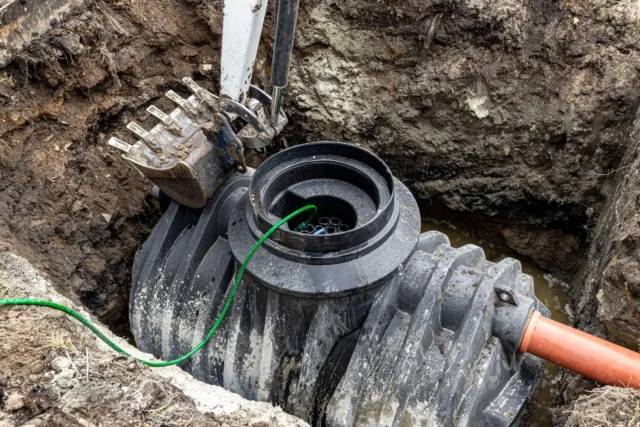
Regular septic tank pumping is typically needed every three to five years for most residential systems. The ideal schedule depends on tank size, household occupancy, water usage, and the amount of solid waste entering the system.
Waiting too long between pumpings increases the risk of backups, drain field damage, and expensive repairs. Following a maintenance schedule helps your septic system operate efficiently and extends its service life.
How Often Does A Residential Septic Tank Need To Be Pumped?
Most residential septic tanks require pumping every three to five years. However, there is no universal schedule that fits every property. The correct timing depends on how quickly solids accumulate inside the tank.
A septic tank separates wastewater into three layers. Solids settle at the bottom, oils float to the top, and clarified wastewater exits into the drain field. Over time, sludge and scum build up until they must be removed.
General Pumping Recommendations
While every property is different, these guidelines are commonly used:
- One or two occupants: Every four to five years
- Three to four occupants: Every three to four years
- Five or more occupants: Every two to three years
Routine septic tank pumping prevents excessive solids from reaching the drain field, where they can cause permanent damage.
What Factors Determine Septic Tank Pumping Frequency?
Several factors influence septic tank pumping frequency. Understanding these variables helps homeowners avoid both unnecessary service and costly delays.
Tank Size
Larger tanks hold more wastewater and solids before reaching capacity. Smaller tanks fill more quickly and usually require more frequent pumping.
Household Water Use
Heavy water use sends more wastewater into the tank. Frequent laundry, long showers, and multiple daily dishwasher cycles increase system demand.
Waste Entering the System
Flushing wipes, paper towels, grease, feminine products, coffee grounds, and other non-biodegradable materials causes solids to accumulate faster.
Garbage Disposal Use
Homes with garbage disposals often require pumping more frequently because food waste increases sludge production inside the tank.
Regular maintenance should always be based on actual system use rather than simply following a calendar. A professional septic system maintenance plan can help determine the right service interval for your property.
Can A Septic Tank Last Longer Without Regular Pumping?
No. Skipping scheduled pumping does not extend the life of the septic system. Instead, it shortens it.
As solids continue building inside the tank, less space remains for wastewater treatment. Eventually, sludge begins flowing into the drain field, where it clogs soil and reduces filtration.
Delayed Pumping Creates Larger Problems
Ignoring maintenance can lead to:
- Sewage backups
- Slow drains
- Drain field failure
- Surface wastewater
- Pipe blockages
- Costly system replacement
Routine septic tank pumping is significantly less expensive than replacing a damaged septic system.
Preventive maintenance protects both the tank and every component connected to it.
How Do I Know When My Septic Tank Is Full?
A full septic tank often produces noticeable warning signs before complete failure occurs. Recognizing these symptoms early allows homeowners to schedule service before significant damage develops.
Common Warning Signs
Watch for:
- Slow drains throughout the house
- Toilets that flush poorly
- Gurgling plumbing sounds
- Sewage odors indoors or outdoors
- Wet areas above the drain field
- Lush patches of unusually green grass
- Wastewater backing into sinks or tubs
These symptoms do not always mean the tank is completely full, but they indicate the system requires immediate inspection.
Do not wait until sewage backs up into the home before contacting a professional. Scheduling a septic inspection can identify the underlying issue before major damage occurs.
Does Household Size Affect Septic Pumping Schedules?
Yes. Household size is one of the biggest factors affecting septic tank pumping frequency.
Every additional resident contributes more wastewater, toilet use, laundry, dishwashing, and daily water consumption. These activities increase the amount of solids entering the tank.
Larger Families Produce More Waste
A household with six people naturally fills the septic tank much faster than a home occupied by two people.
Frequent guests, multi-generational households, and home businesses can also increase wastewater production beyond normal residential levels.
When family size changes permanently, homeowners should reassess their maintenance schedule instead of assuming previous pumping intervals remain appropriate.
What Happens If I Wait Too Long To Pump My Septic Tank?
Delaying septic maintenance increases the likelihood of expensive repairs and system failure.
As sludge accumulates, wastewater remains inside the tank for less time. This reduces effective separation and allows solids to escape into the drain field.
Long-Term Consequences
Waiting too long may result in:
- Clogged drain field lines
- Contaminated groundwater
- Sewer odors
- Indoor plumbing backups
- Damaged baffles
- Premature septic system replacement
Drain field repairs often cost substantially more than routine pumping.
Preventive maintenance protects your investment and helps avoid emergency service calls.
Homeowners scheduling septic tank pumping in Mt. Pleasant, NC should avoid waiting until visible symptoms appear. Routine service is always more affordable than correcting preventable septic failures. Learn more about why scheduling septic tank pumping is important.
Should Septic Tanks Be Inspected Every Year?
Yes. Annual septic inspections are recommended, even if pumping is not required every year.
An inspection allows a professional to evaluate sludge levels, inspect baffles, identify leaks, examine the tank structure, and assess overall system performance.
Benefits of Annual Inspections
Regular inspections help:
- Identify developing problems early
- Monitor sludge accumulation
- Extend system life
- Prevent drain field damage
- Reduce emergency repairs
- Plan future pumping schedules
An inspection provides valuable information about the condition of the entire septic system, allowing maintenance decisions to be based on actual tank conditions instead of estimates.
Combining annual inspections with scheduled septic tank pumping creates one of the most effective long-term maintenance strategies for any residential septic system.
Key Insights
Most homes require septic tank pumping every three to five years, although actual schedules depend on household size, tank capacity, water use, garbage disposal habits, and waste entering the system.
Following the proper septic tank pumping frequency helps prevent backups, drain field damage, and expensive repairs. Annual septic inspections provide valuable information about sludge levels and overall system condition, allowing homeowners to schedule maintenance before problems occur.
Routine service protects your investment, extends septic system life, and reduces the risk of unexpected failures that disrupt your home and budget.
Protect Your Septic System Before Problems Start
Give your septic system the care it deserves before small issues become costly repairs. At HoneyBee Septic Tank Service, we help homeowners develop maintenance schedules based on their property’s actual needs instead of guesswork. We provide dependable inspections, honest recommendations, and professional septic tank pumping to keep your system operating efficiently.
Whether you need routine maintenance or septic tank pumping in Mt. Pleasant, NC, we are committed to protecting your home and your investment. Contact us today to schedule your next service and enjoy the confidence that comes with a properly maintained septic system for years to come.