
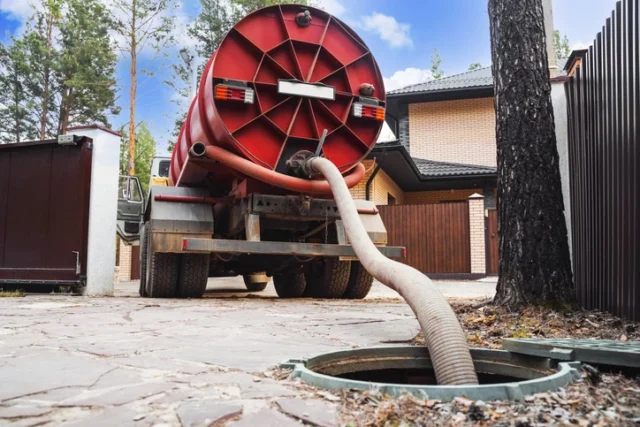
Professional septic tank pumping is safer and usually more cost-effective than attempting the job without proper training, equipment, and disposal access.
DIY septic tank pumping can expose homeowners to toxic gases, dangerous bacteria, structural hazards, and legal problems involving wastewater handling.
A professional service removes waste completely, inspects the tank, and transports sewage to an approved facility. While doing the work yourself may appear cheaper, equipment rental, disposal fees, cleanup, and repair risks can quickly erase any savings.
For most homeowners, professional pumping offers stronger protection and lasting overall value.
Can Homeowners Pump Their Own Septic Tank?
Homeowners may be physically able to open a septic tank and remove some liquid, but that does not make the process safe, complete, or legally acceptable. Septic pumping requires more than lowering a basic pump into the tank.
A septic tank contains layers of scum, wastewater, and settled sludge. Effective pumping removes the full contents while breaking up compacted solids. Leaving sludge behind reduces tank capacity and can allow solids to move toward the drain field.
Access Is More Complicated Than It Looks
Tank lids can be heavy, buried, cracked, or weakened with age. Improper lifting can cause injury or damage the riser and lid. Professional septic riser installation can make future tank access safer and more convenient.
Homeowners must also avoid falling into the opening or leaning over the tank. The surrounding soil may be unstable, especially near older concrete tanks.
Even when pumping is legally permitted, local rules may restrict who can transport and dispose of the waste. Homeowners should verify requirements before attempting any work.
Is DIY Septic Tank Pumping Dangerous?
Yes. Septic tanks can contain hydrogen sulfide, methane, ammonia, and other hazardous gases. These gases can cause dizziness, breathing problems, unconsciousness, fire, or death.
The tank should never be entered. A person can collapse within moments in an oxygen-deficient space, and an untrained rescue attempt can place additional people in danger.
Biological Exposure Is Another Risk
Raw sewage may contain bacteria, viruses, parasites, and other pathogens. Contact can occur through splashes, contaminated tools, broken skin, or accidental transfer to clothing and household surfaces.
Protective gloves alone do not eliminate the risk. Professionals use suitable equipment, safe work procedures, and sanitation practices to reduce exposure.
Open tanks also create hazards for children, pets, and anyone walking nearby. The area must remain secured throughout the service.
What Equipment Is Needed to Pump a Septic Tank?
Proper pumping typically requires a vacuum truck or trailer-mounted pumping system designed for sewage. Small utility pumps are often unable to remove heavy sludge or fibrous material.
Proper preparation also helps technicians protect nearby landscaping, walkways, and household access points.
Waste Must Be Contained During Transport
The holding tank must be sealed and suitable for transporting sewage. Ordinary containers, pickup beds, and open trailers are not safe.
Hoses and fittings must resist leaks and withstand vacuum pressure. Equipment must also be cleaned and maintained to prevent spills or cross-contamination.
A contractor may use tools to mix settled solids so they can be removed. This step helps restore usable tank capacity and gives a clearer view of the tank condition after pumping.
Equipment rental does not provide the training needed to recognize cracked baffles, damaged lids, inlet problems, or signs of drain field failure. These conditions may require professional septic tank repair or drain and leach field repair.
Why Should Septic Waste Be Handled by Professionals?
Septic waste must be collected, contained, transported, and discharged without exposing people, soil, wells, streams, or storm drains to contamination.
Professionals understand how to prevent spills and maintain control of the waste from the tank to the approved receiving facility.
Pumping Includes More Than Waste Removal
A trained technician can observe sludge levels, liquid levels, baffles, filters, tank walls, and signs of backups or groundwater intrusion. A professional septic inspection may identify problems before they become expensive emergencies.
The technician can also confirm whether the tank appears to be receiving unusual amounts of water. High flow may indicate plumbing leaks or drainage problems.
Professional documentation provides a record of the service date, tank condition, and recommended maintenance interval. This record can support future repairs, property sales, and regular septic system maintenance planning.
How Much Money Can DIY Septic Pumping Really Save?
DIY pumping may appear to save the labor portion of a professional service, but the real savings are often limited. Homeowners still need suitable pumping equipment, hoses, protective gear, secure transport, disposal access, and cleanup supplies.
Rental costs can be substantial. Some rental companies may not allow their equipment to be used for sewage.
Mistakes Can Cost More Than the Service
A spill may require professional cleanup, soil removal, disinfection, or environmental reporting. Damaged lids, baffles, pipes, or tank walls can also increase expenses.
Incomplete pumping may create another backup soon after the attempt. If sludge remains, the homeowner may still need to hire a professional.
The apparent savings should be compared with the full cost and risk, not just the contractor’s invoice.
What Are the Legal Requirements for Septic Waste Disposal?
Septic waste disposal is regulated to protect public health and the environment. Requirements may address pumping licenses, vehicle standards, recordkeeping, approved disposal sites, spill response, and transportation.
Rules vary by state and local jurisdiction. Homeowners should not assume they can place septic waste into a sewer cleanout, storm drain, field, ditch, or household container. Reviewing current North Carolina septic tank rules can help property owners understand common requirements.
Disposal Must Use an Approved Facility
Septage is commonly delivered to a wastewater treatment plant or another authorized receiving facility. The facility may require permits, account approval, tracking records, and disposal fees.
Illegal dumping can contaminate groundwater, wells, waterways, and neighboring property. It may also result in fines, cleanup orders, and legal liability.
Anyone considering septic tank pumping in Mount Pleasant, NC should confirm current state, county, and facility requirements before handling waste.
Using a qualified provider reduces uncertainty because the company already has established disposal procedures and appropriate transport equipment.
Are Professional Septic Services Worth the Cost?
Professional septic services are usually worth the cost because they combine waste removal, safer handling, legal disposal, and basic system observation in one service.
The homeowner pays for equipment, training, transportation, insurance, labor, and access to an approved disposal facility.
Professional Service Can Prevent Larger Expenses
Routine pumping helps keep excessive solids from reaching the drain field. Drain field repairs or replacement can cost far more than scheduled maintenance.
A technician may notice damaged baffles, cracked lids, clogged filters, or unusual liquid levels during service. Addressing these conditions early can reduce repair costs.
Professional pumping also limits the homeowner’s exposure to sewage and toxic gases.
The best value comes from choosing a provider that explains the work, documents findings, and leaves the site secure and clean.
Key Takeaways
Professional septic pumping is usually safer, more complete, and more economical than a homeowner attempting the work alone. DIY pumping involves:
- Toxic gases
- Disease exposure
- Heavy lids
- Sewage spills
- Equipment limitations
- Strict waste disposal rules
Any apparent savings can disappear through rentals, disposal fees, cleanup, repairs, and incomplete pumping. Qualified technicians remove accumulated solids, transport waste legally, and observe visible system conditions.
Routine professional service also helps protect the drain field and creates useful maintenance records. For most properties, trained septic care provides better long-term value and substantially lower risk.
Protect Your Property With Safer Septic Care
Septic pumping should protect the household, property, and surrounding environment. HoneyBee Septic Tank Service helps homeowners remove accumulated waste safely while checking visible system components for signs of trouble.
A planned service can reduce backups, odors, and pressure on the drain field. It also provides a clear maintenance record for the property.
Choosing trained professionals avoids the risks of unsafe pumping equipment, illegal disposal, and incomplete waste removal. Responsible care supports a longer-lasting septic system and fewer unexpected problems.